The Case for Catholic Camping
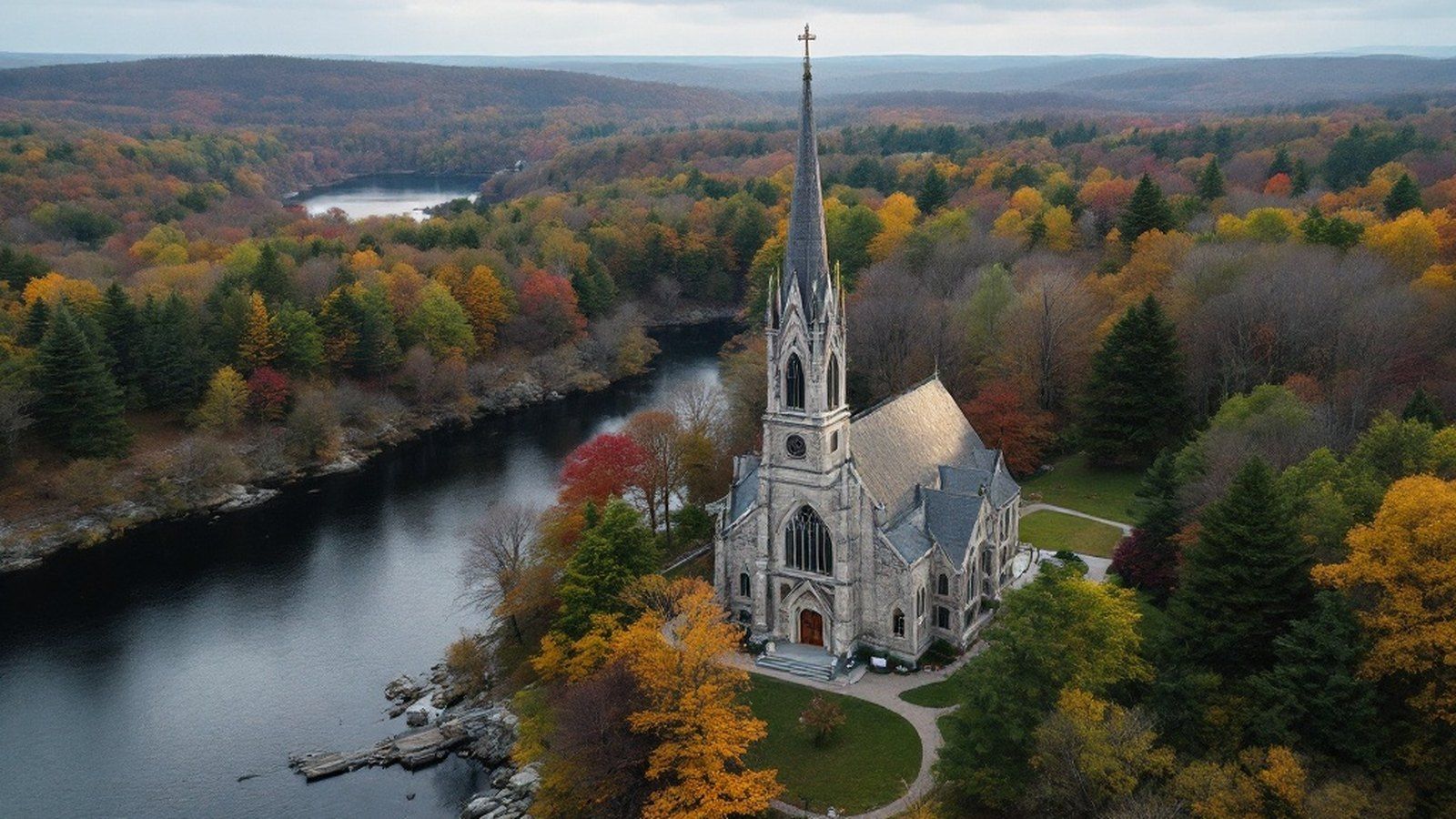
Massachusetts is not short of summer camps, but a handful of Catholic-rooted programs in the state have done something the seasonal market rarely manages: they have lasted. Decade after decade, they return the same children to the same waterfronts, the same fire rings, the same morning prayers — until those children send their own. The settings shift dramatically, from the forested highlands of the Diocese of Springfield's western reach to a Berkshire pond to the salt-hazed shore south of Boston, but the underlying intention holds steady. Outdoor adventure and faith formation are not competing priorities here; they are the same program, running on the same schedule.
Camp Holy Cross — Diocese of Springfield
Camp Holy Cross sits on 250 acres of fields and woods above the Upper Highland Reservoir, a landscape that does much of the pedagogical work before a counselor says a word. Founded in 1930 and operated by the Diocese of Springfield, the camp runs two one-week overnight sessions each summer for campers aged eight to fifteen. The program is what you would expect of a well-run Catholic camp — swimming, kayaking, volleyball, hiking, campfire cookouts — folded into a rhythm of daily prayer and faith reflection. Neither strand overwhelms the other, which is harder to achieve in practice than it sounds.
What distinguishes the older end of the age range is a practical addition: campers of fourteen and fifteen can earn First Aid and CPR certification alongside the outdoor curriculum. It is a small detail, but it signals the camp's wider instinct — that a faith environment need not be sealed off from the ordinary competencies the world requires.

Lakeside Christian Camp and Conference Centre — Berkshires
Overlooking Richmond Pond in the Berkshires, Lakeside Christian Camp and Conference Centre works a different register. Both day and overnight programs are on offer, and the daily architecture is deliberate: early-morning worship leads into Bible study, then skill-development sessions, then waterfront activities. Overnight youth campers add horseback riding, outdoor skills, and music to that framework — enough variety to keep the week from feeling repetitive, enough structure to give it shape.
The Berkshire setting is, frankly, doing considerable work. Richmond Pond and the hills behind it provide the kind of quiet that urban and suburban families increasingly drive a long way to find. Lakeside's intentional Christian programming gives that quiet a direction. The two reinforce each other in ways that are easier to experience than to explain in a brochure.
Hull is not a glamorous address — it is a working-class shore town, and the camp has never tried to be otherwise
Sunset Point Camp — Hull
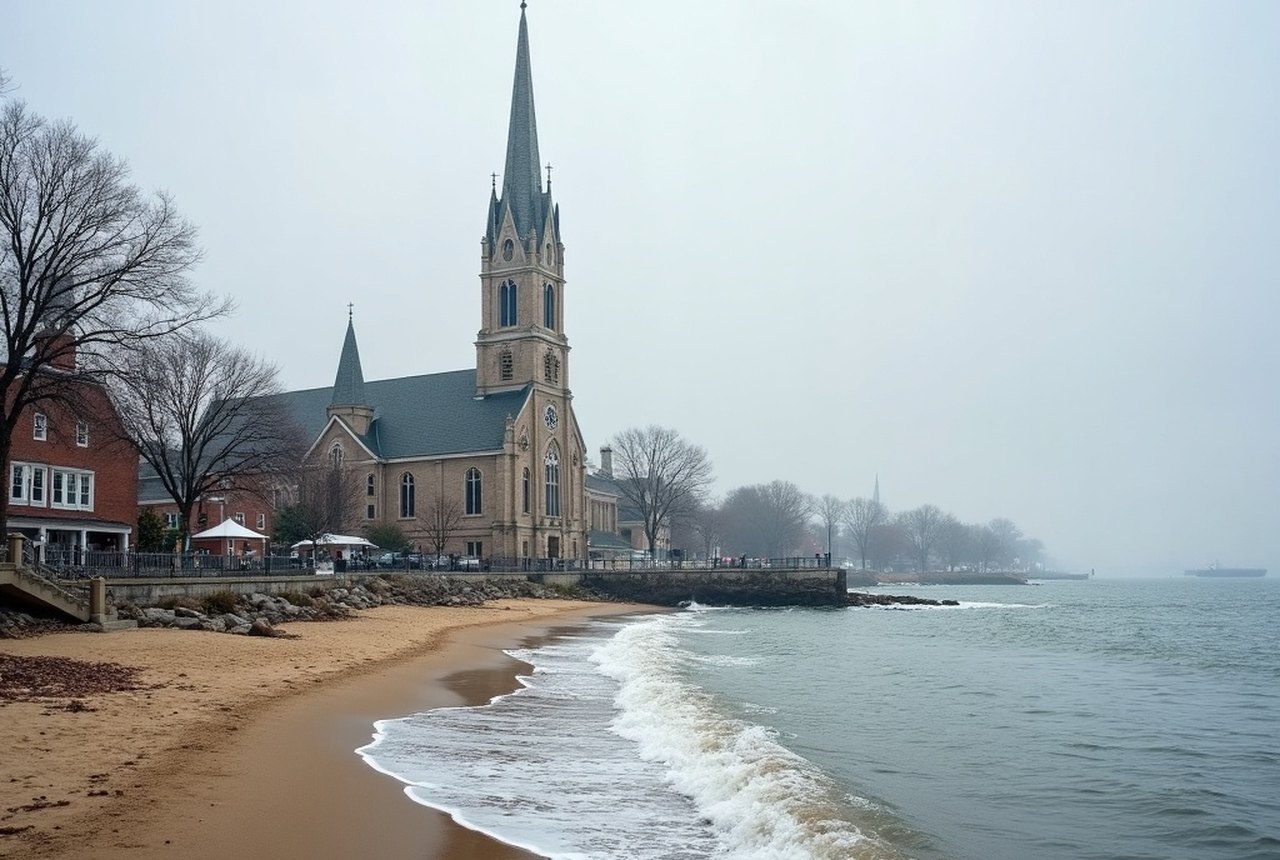
Sunset Point Camp occupies a different world altogether. Situated near the shore in Hull — the narrow peninsula that curls south of Boston Harbor — it has offered city-based children a summer close to the sea for nearly a century. Roughly 450 campers per season spend one to two weeks swimming, boating, kayaking, and making art, with faith-based activities woven throughout a schedule that moves to the rhythms of tides and weather rather than highland forests.
Hull is not a glamorous address — it is a working-class shore town, and the camp has never tried to be otherwise. A low registration fee keeps the program accessible to families for whom a private camp's tuition would simply close the conversation. That accessibility is not incidental to the camp's mission; it is close to the center of it. The idea that a summer of open water and faith formation should be available to a broad range of children, not only those whose parents can absorb the cost, aligns with a tradition in Massachusetts Catholic social life that runs from the immigrant parish hall through generations of diocesan outreach.
A Shared Instinct
The three camps are not affiliated with one another and draw from different corners of the state. What they share is an assumption that has proven durable enough to carry them across decades: that structured outdoor life and intentional faith formation are not in tension, that a kayak lesson and an evening prayer can belong to the same coherent week. In a state whose Catholic built heritage runs from grand basilicas to modest mission chapels, these camps are another kind of sacred space — unpainted, unroofed, oriented toward water and sky.

Decade after decade, they return the same children to the same waterfronts, the same fire rings, the same morning prayers — until those children send their own