Origins in a Boston Pew
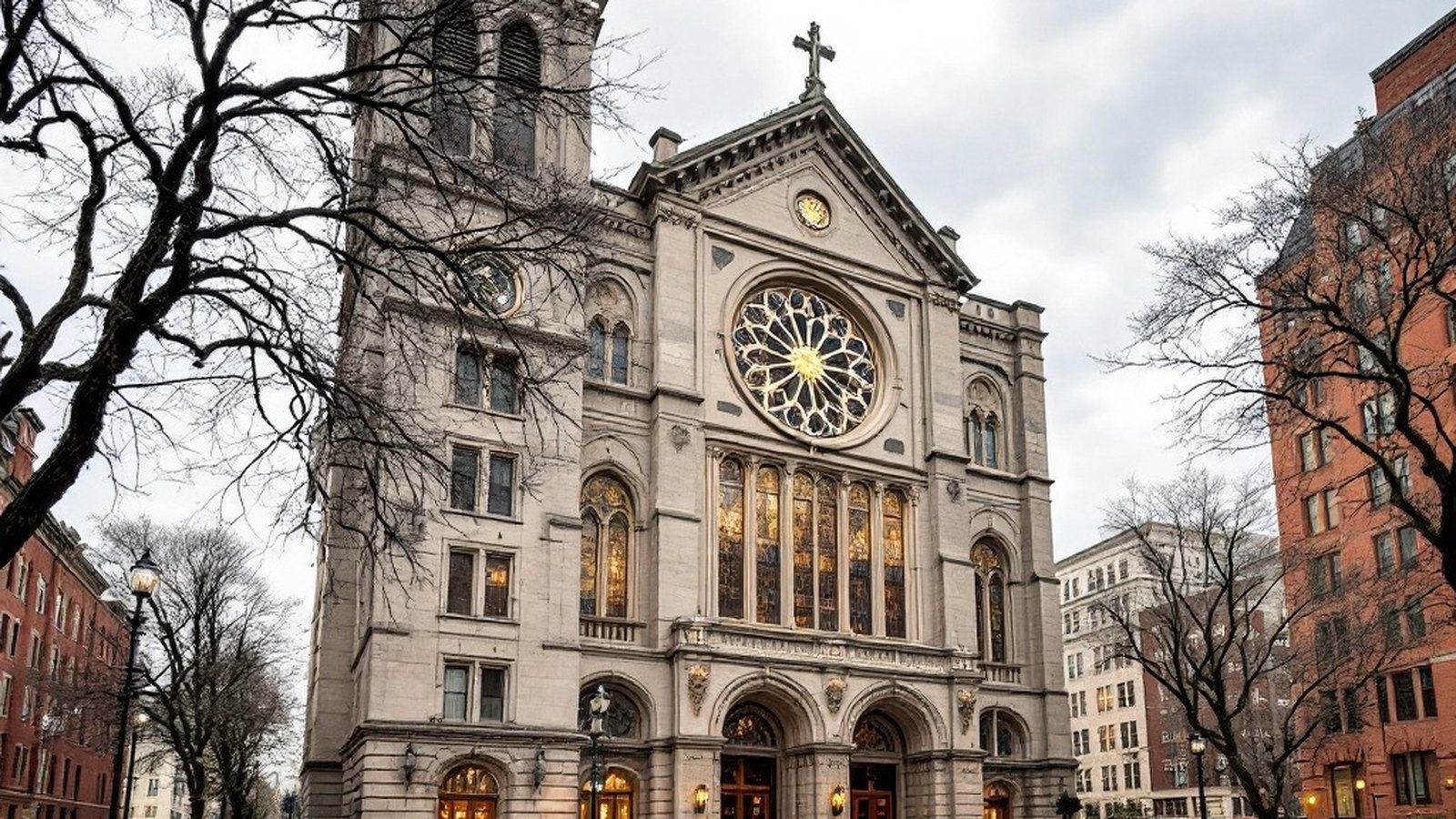
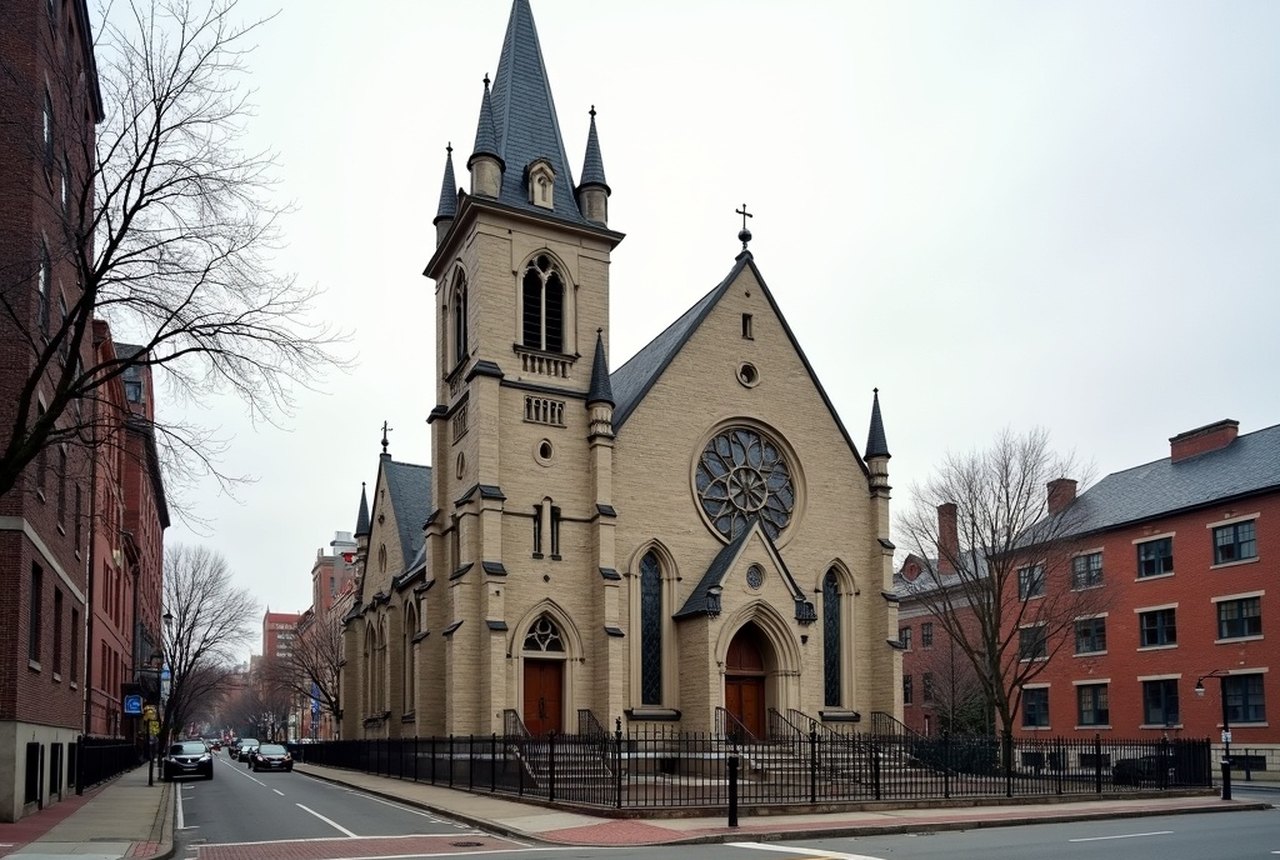
The story begins not in a lecture hall but in a church. In April 1839, Methodist ministers gathered for two days at the Old Bromfield Street Church in Boston and resolved to found a school of theology. The institution that emerged from that meeting, the Newbury Biblical Institute, was modest in its first ambitions and itinerant in its early life — it relocated and was rechristened the Concord Biblical Institute before eventually settling in Boston and passing through several further charter revisions. By 1867 it had been formally incorporated into Boston University and assigned an address at 23 Pinckney Street. The name Boston University School of Theology followed, and it has held that name ever since.
That founding moment gives BUSTH a distinction no other American seminary can claim: it is the oldest theological school of American Methodism. For anyone tracing the intellectual and institutional roots of Protestant religious education in the United States, this is a significant marker — not a footnote.
Scholarship, Equity, and Reach
What set the school apart from its earliest decades was not only its Methodist identity but its deliberate openness. BUSTH admitted women and African-American students well before most American institutions extended either group anything approaching equal access — a direct expression of the egalitarian convictions embedded in Methodist tradition. By the 1960s the school had become a significant destination for African-American doctoral candidates in theology, and a 1983 study confirmed what its enrolment patterns already suggested: Boston University produced more doctorates in mission studies and religion than any other American institution.
That breadth of reach has been institutionalised in the school's research centres. The Center for Global Christianity and Mission addresses the worldwide spread and transformation of Christian practice. The Center for Practical Theology connects theological scholarship to congregational and civic life. The Anna Howard Shaw Center — named for the physician, ordained Methodist minister, and suffragist who earned her divinity degree from BU in 1878 — focuses on women's leadership and gender justice in religious contexts. The Religion and Conflict Transformation Program applies theological frameworks to peacebuilding and reconciliation. Together they ensure the school's work extends well beyond the classroom and into the contested questions of contemporary public life.
BUSTH has also long been recognised for genuine interfaith engagement. Theology students study regularly alongside faculty drawn from Muslim, Jewish, and other traditions — an approach that reflects the school's conviction that serious theological formation requires sustained encounter with traditions other than one's own.
Degrees and Alumni
The school offers a full ladder of theological and religious studies degrees. At the master's level: the Master of Divinity (MDiv), Master of Theological Studies (MTS), Master of Sacred Music (MSM), and Master of Sacred Theology (STM). Doctoral programmes include the Doctor of Ministry (DMin) in Transformational Leadership and the Doctor of Philosophy (PhD). Dual-degree options — MDiv/MSM, MDiv/MSW, and MTS/MSW — allow students to combine theological training with professional qualifications in social work or sacred music, an arrangement that speaks directly to the school's interest in faith applied to public and community need.
The alumni roster is unusually prominent. Martin Luther King, Jr. earned his doctorate in systematic theology at Boston University in 1955, and the school's archives hold materials central to King scholarship. Norman Vincent Peale, whose preaching and writing on positive thinking reached a vast mid-century American audience, also studied here. More recently, Andy Crouch — writer, cultural critic, and influential voice in American evangelical thought — counts BUSTH among his formative institutions.
That range — from King to Peale to Crouch, from a centre for women's leadership to one for global mission — is itself a kind of argument about what the school has always tried to do: produce religious thinkers and leaders whose influence does not stop at the sanctuary door.
For anyone tracing the intellectual and institutional roots of Protestant religious education in the United States, this is a significant marker — not a footnote
- April 1839Methodist ministers found Newbury Biblical Institute at Old Bromfield Street Church, Boston
- 1850first graduating class, then known as Concord Biblical Institute
- 1867formally incorporated into Boston University; address at 23 Pinckney Street
- 1955Martin Luther King, Jr. awarded PhD in systematic theology
- 1983study confirms BUSTH leads US in religion and mission studies doctorates
More recently, Andy Crouch — writer, cultural critic, and influential voice in American evangelical thought — counts BUSTH among his formative institutions