The Basilica as Starting Point
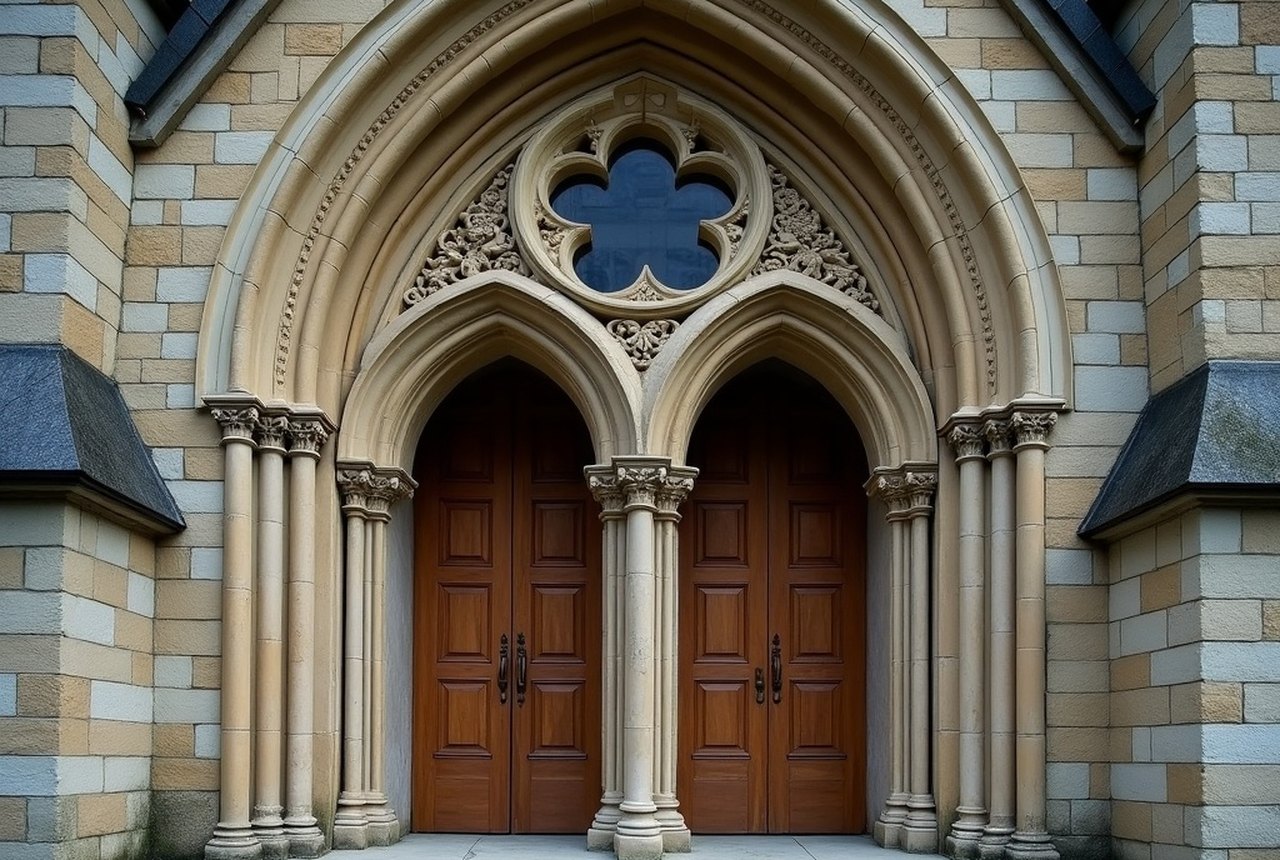
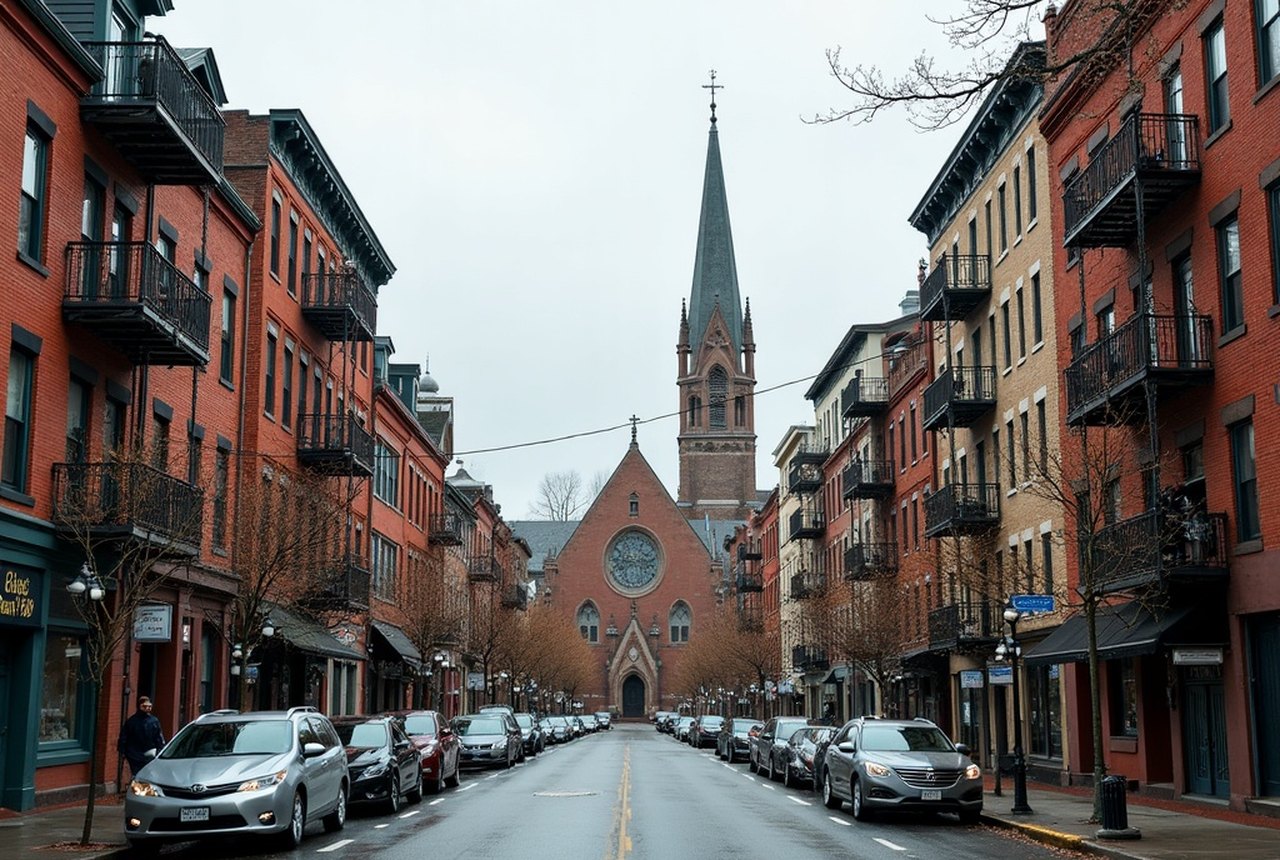
Begin where the skyline tells you to. The twin copper-roofed towers of the Basilica and Shrine of Our Lady of Perpetual Help on Mission Hill announce themselves from half of Roxbury, and the building repays the promise they make. Designed by architect Charles Amos Cummings and completed in 1878, this is a Romanesque Revival church of real ambition: granite exterior, a nave of clustered piers drawing the eye toward an elaborate sanctuary, and a devotional atmosphere that has thickened over nearly a century and a half of continuous use. The Redemptorists — a religious order founded explicitly to preach to the poor — established the parish here, and the surrounding neighbourhood was then filling fast with Irish and German working-class families who needed exactly that ministry.
The basilica designation itself came in 1954, a papal recognition of both the building's architectural stature and the extraordinary volume of pilgrimage it sustains. Even on ordinary weekdays, visitors arrive for confession and veneration of the icon of Our Lady of Perpetual Help — a Byzantine-style image whose presence in Boston traces to a Redemptorist gift in the 1870s. Stand in the nave long enough and you understand why Bostonians simply call this place "the Mission Church": it is not merely a building but an institution woven into the neighbourhood's emotional life.
Stone, Street, and Succession
Step outside and look down. The rough, speckled conglomerate beneath your feet — and in the exposed ledges along Parker and Tremont Streets — is Roxbury puddingstone, the glacially tumbled metaconglomerate that geologists call Roxbury Formation and Bostonians have been building with since the colonial era. Many of Mission Hill's older retaining walls and foundation courses are made of it, giving the neighbourhood a geological continuity that no amount of later development has erased.
The walk south and east from the basilica passes through the evidence of successive waves of settlement. Irish immigrant families who arrived in the mid-nineteenth century gave way, gradually, to Italian households; by the mid-twentieth century the neighbourhood was becoming predominantly African American and, later, Latino. Each community left marks in the built fabric: in storefront morphologies, in the widths of triple-deckers, in the occasional carved stone saint above a former society hall. The Roman Catholic Archdiocese of Boston administered parishes here through all these demographic shifts, sometimes gracefully, sometimes with the tensions that characterised urban Catholic history nationwide.
St. Stephen's Church in the nearby North End — not on this walk but within the same architectural conversation — was famously restored under Cardinal Richard Cushing in the 1960s; Mission Hill's own street-level chapels and former school buildings represent similar institutional footprints, less pristine, more lived-in. Look for the ghost signage of parochial schools, the carved lintels of rectories, the cast-iron fencing that once separated church property from the sidewalk with Victorian formality.

What the Neighbourhood Keeps
The walk rewards slowness. Turn up Calumet Street and the topography itself becomes part of the story: Mission Hill is a drumlin, shaped by glaciers, and the streets rise steeply enough that you understand why early Bostonians described the view from its crest as commanding. The puddingstone outcrops increase as you climb, dark and glittering, embedded in garden walls and exposed in vacant lots as though the neighbourhood is growing directly out of the rock.
The most telling stops are often the quietest — a former convent repurposed as affordable housing, a mid-century mosaic above a rectory entrance, a side-door chapel still unlocked at noon. The Sons of Divine Providence, associated with Don Luigi Orione, maintained a presence in this part of Boston, and their care for the poor and the elderly shaped several buildings in the area. That social-service legacy is still visible in the organisations occupying what were once purely ecclesiastical structures.
You end, as these walks often do, back at the basilica's front steps — now seeing the building not as a monument separate from its neighbourhood but as its hinge, the point around which Irish, Italian, Black, and Latino Catholic Boston has pivoted for generations. The puddingstone is still there under the steps. The copper towers have gone green. The icon inside is still being visited.
That social-service legacy is still visible in the organisations occupying what were once purely ecclesiastical structures
- 1870sRedemptorists establish parish on Mission Hill; venerated icon arrives
- 1878Basilica of Our Lady of Perpetual Help completed, designed by Charles Amos Cummings
- Mid-19th centuryIrish and German working-class families settle Mission Hill
- Mid-20th centuryneighbourhood demographic shift toward African American and Latino communities
- 1954papal basilica designation conferred
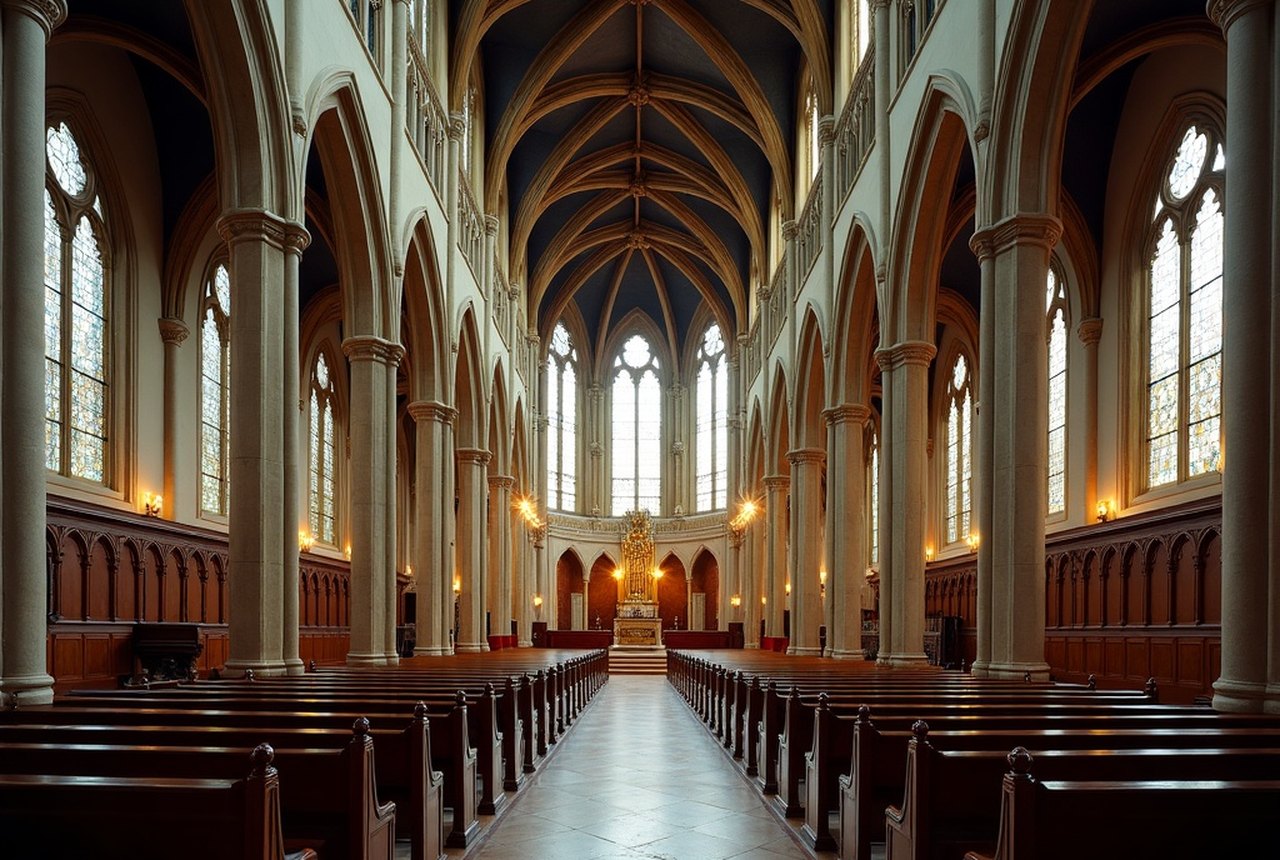
The basilica designation itself came in 1954, a papal recognition of both the building's architectural stature and the extraordinary volume of pilgrimage it sustains