
Building Cathedrals on Mill-Worker Wages
The mill towns of central and western Massachusetts may seem an unlikely setting for monumental Catholic architecture — yet the Polish immigrants who poured into Chicopee, Holyoke, Springfield, and Worcester from the 1880s onward built churches of a scale and ambition that still command attention. They arrived with almost nothing and constructed something close to everything.
Polish immigrants came chiefly for the textile and metalworking industries. They settled in tight-knit street-by-street communities, formed mutual aid societies, and almost immediately began organizing national parishes — congregations defined by ethnicity and language rather than geography. The national parish model, sanctioned by the Roman Catholic Church for immigrant groups, let Polish communities worship in their own tongue, sustain their own schools, and maintain a cultural identity that the broader American city could not dissolve.
The churches they raised were their most public declaration. Polish Romanesque and Gothic Revival forms predominate: twin-towered facades of brick and limestone, steeply pitched roofs, and interiors lined with devotional artwork shipped from or inspired by the workshops of Kraków and Poznań. Congregation members tithed generously, held bazaars year after year, and not infrequently hauled stone and laid brick themselves on weekends. The gap between a mill worker's weekly wage and the cost of a proper campanile was closed by sheer collective will.
St. Stanislaus Bishop and Martyr Parish in Chicopee stands as a representative example of the type: a substantial brick structure whose interior retains carved woodwork and statuary that reflect the Polish folk-devotional tradition. In Worcester, the Polish parishes of the east side likewise invested heavily in stained glass and painted ceilings — interiors meant to rival, in spiritual richness if not in budget, anything the Yankee Protestant establishment had put up downtown.
What makes these buildings remarkable is precisely the disproportion between means and result. No wealthy benefactor endowed them; no architect of national reputation was typically retained. They were built by subscription, by stubbornness, and by a community's conviction that the sacred deserved the best they could give. That conviction is still legible in the masonry.
Many Polish national parishes now face the pressures of declining congregations and diocesan consolidation. A handful have been closed or merged. But the buildings themselves — solid, high-shouldered, improbably grand — remain the most honest record of what Polish Massachusetts once was and what it chose to become.
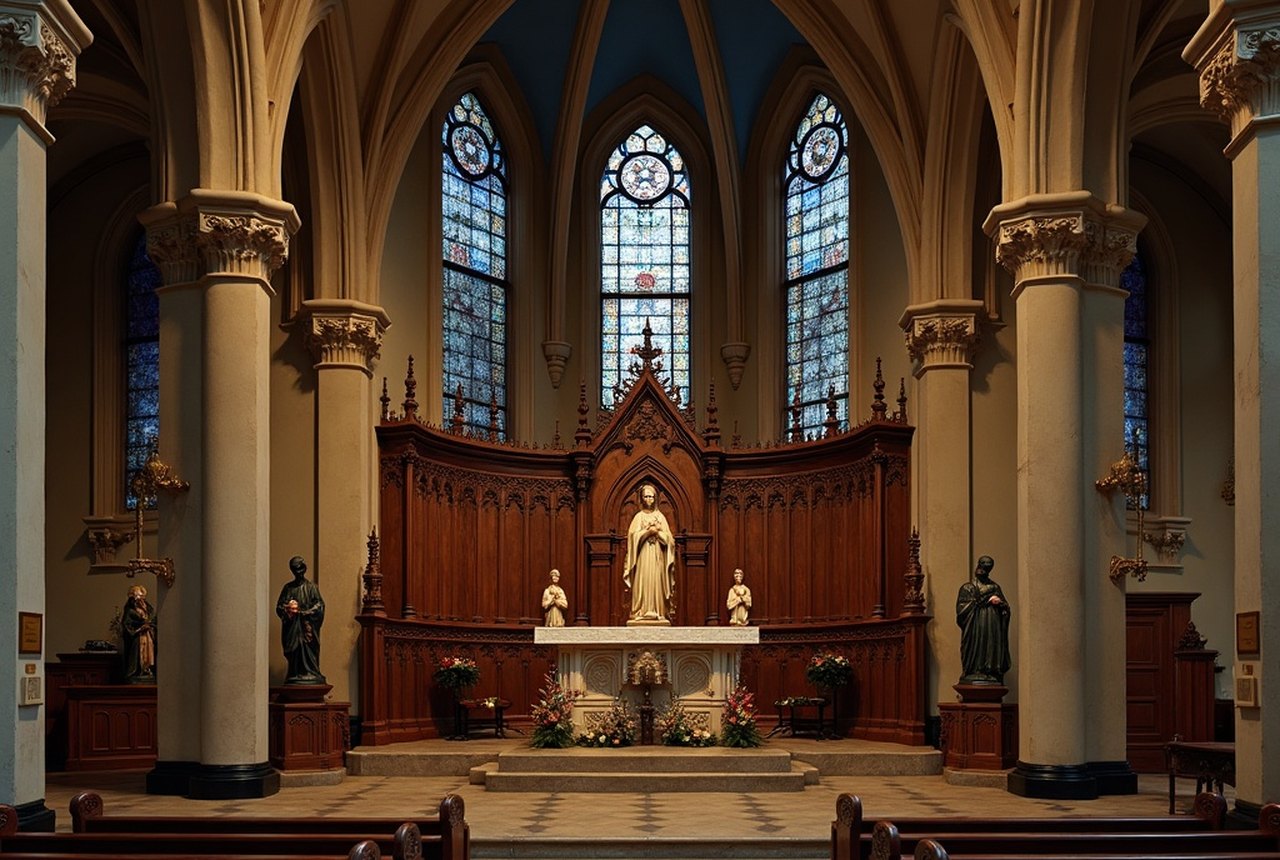
But the buildings themselves — solid, high-shouldered, improbably grand — remain the most honest record of what Polish Massachusetts once was and what it chose to become
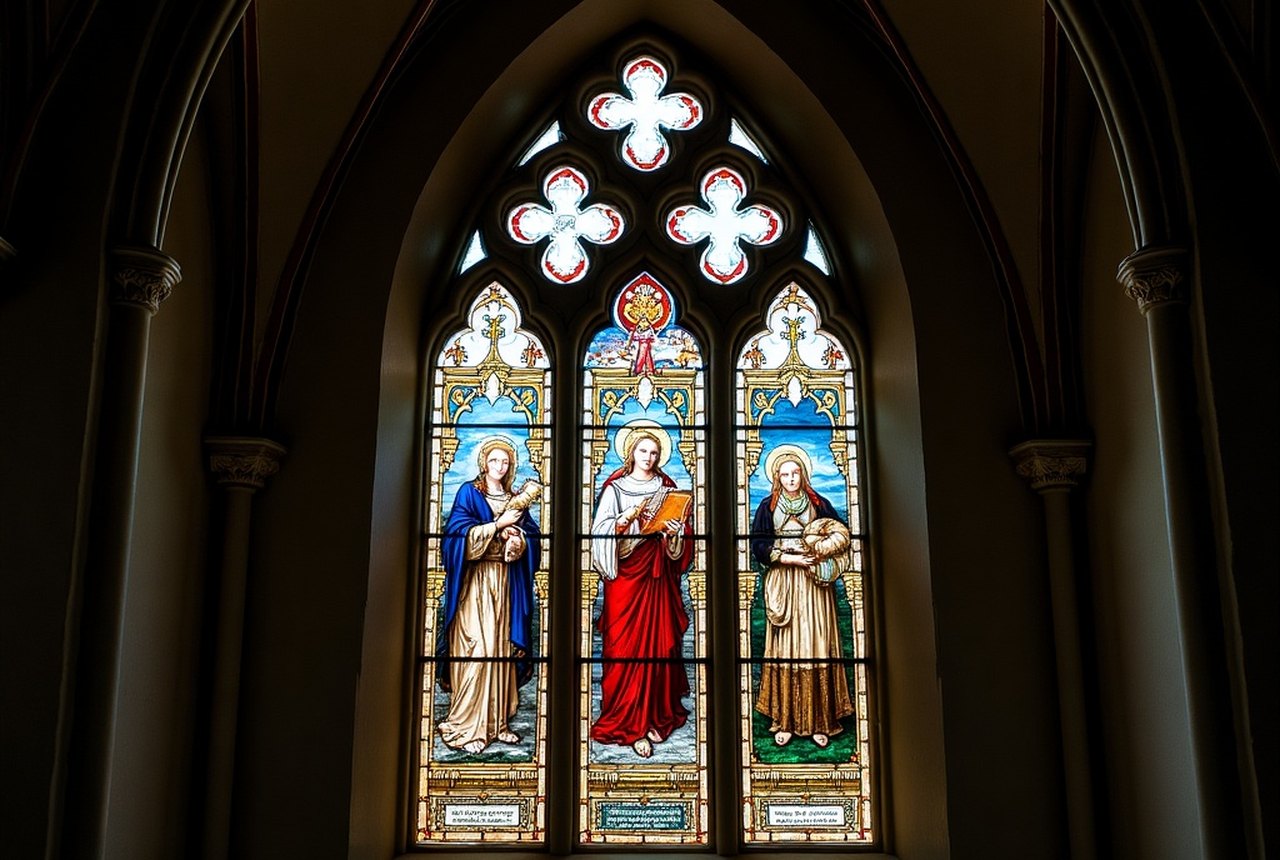
- 1880s onwardPolish immigrants settle in Chicopee, Holyoke, Springfield, and Worcester
- Late 19th–early 20th c.national parishes established; major church construction begins
- Presentdiocesan consolidation pressures closures and mergers of Polish parishes