A City Within a City
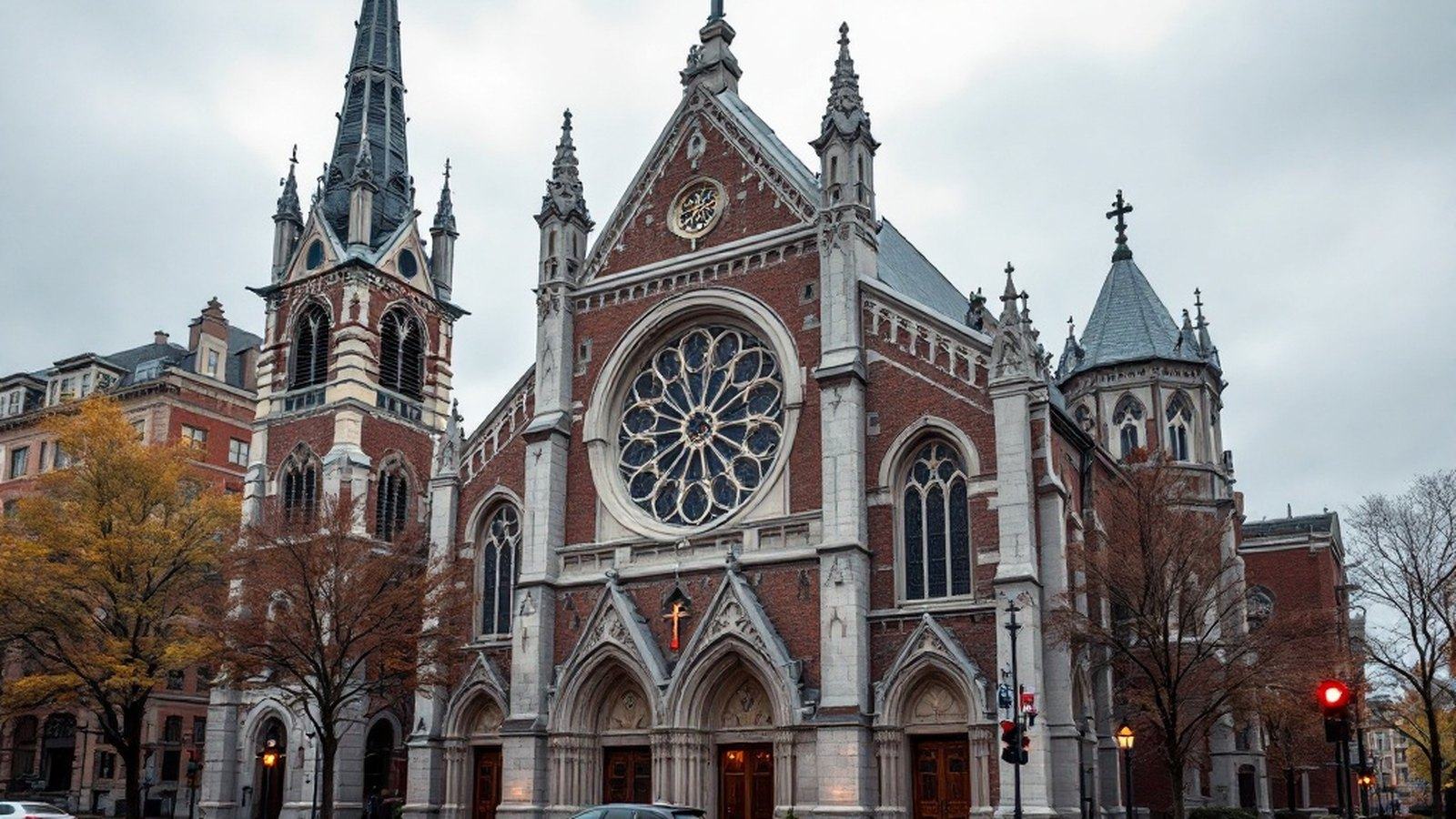
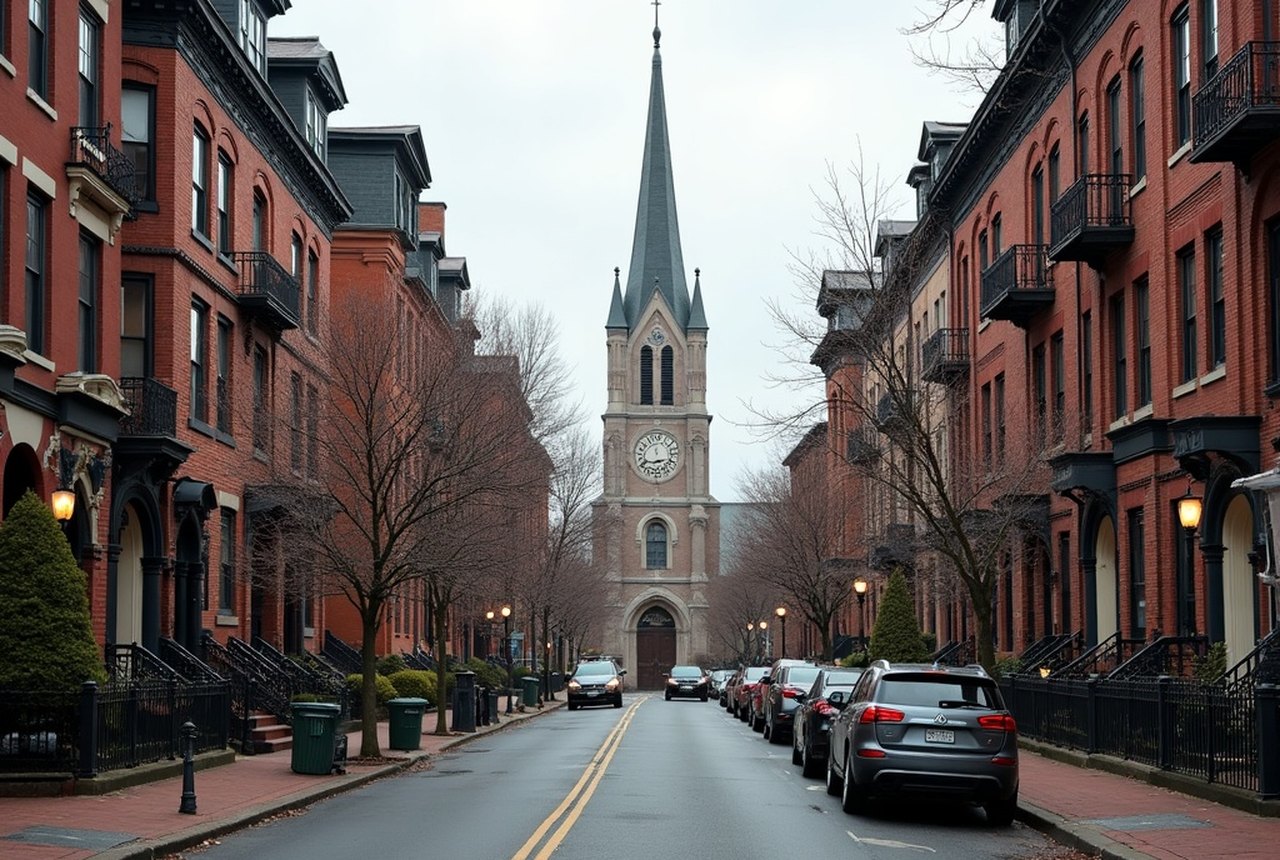
Boston's South End is frequently described as the largest intact Victorian rowhouse district in the United States, and that description barely hints at what's hiding behind those uniform bow-fronts and iron railings. Walk its grid of garden squares and you keep colliding with church buildings on a scale and seriousness of purpose that seems almost extravagant alongside the neighbourhood's residential terraces — because it is. The parishes of the South End were built by communities determined to announce themselves in stone.
The neighbourhood's Catholic character was shaped by successive waves of nineteenth- and twentieth-century immigration. Irish families who arrived during and after the Famine years settled here first, followed by Lebanese, Italian, and other Catholic communities. Each group inherited or founded congregations, and each generation of parishioners understood that the church building was not merely functional. It was testimony. It was permanence in a city that was not always certain you belonged.
The Cathedral and the Fabric Around It
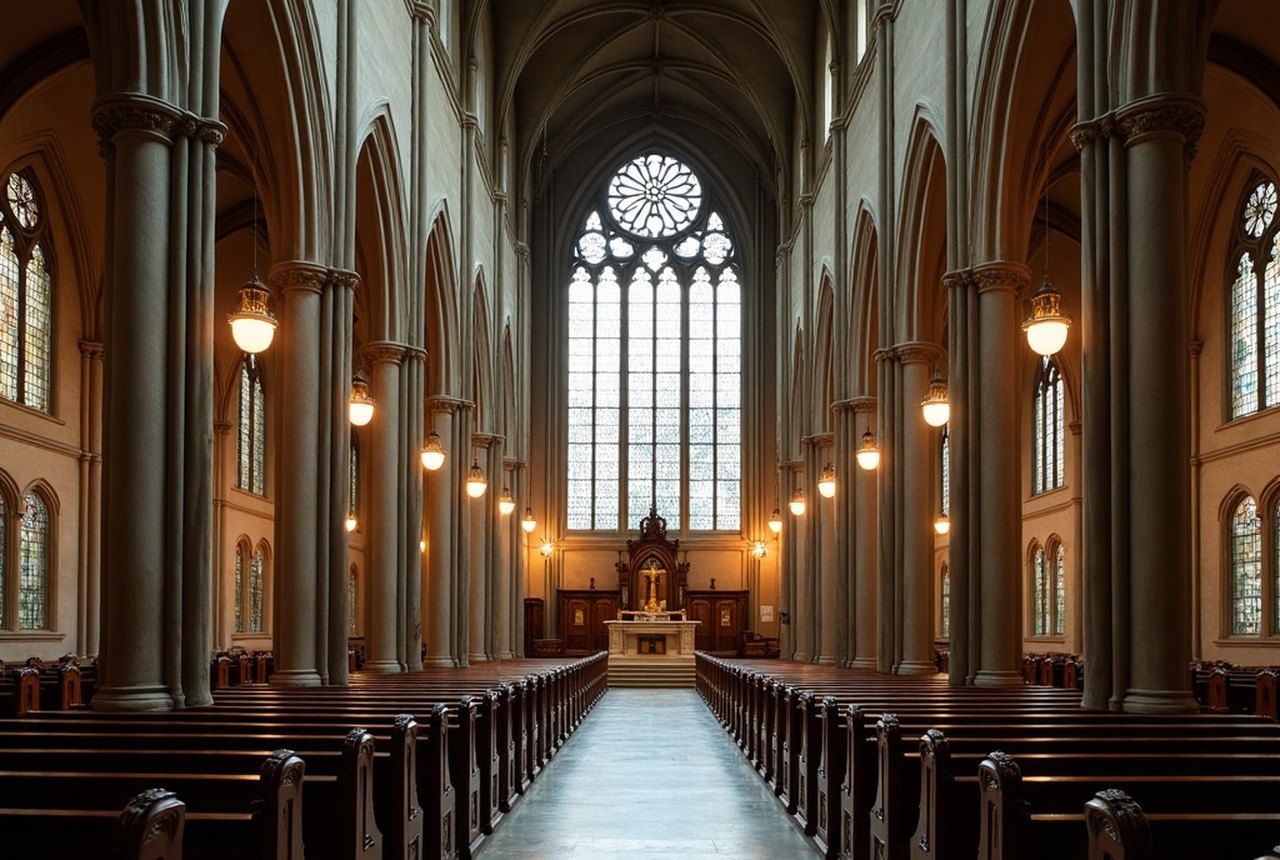
Any walk through South End Catholicism begins at the Cathedral of the Holy Cross on Washington Street, the mother church of the Roman Catholic Archdiocese of Boston and, when it was completed in 1875, the largest Catholic church in the United States. Patrick Charles Keely — the prolific Irish-born architect who designed more American Catholic churches than anyone else in the nineteenth century — gave the archdiocese a Gothic Revival monument in Roxbury puddingstone, a rough-textured local conglomerate that catches the light differently at every hour. The nave runs to extraordinary length, and the interior's soaring clustered piers and lancet windows make the scale feel devotional rather than merely vast. Archbishop Williams consecrated the building, and it has stood at the centre of the archdiocese's ceremonial life ever since.
Keely's fingerprints are not limited to the Cathedral. He was the architectural default for ambitious Catholic parishes across New England, and the South End reflects that dominance repeatedly. Walking the surrounding blocks, you encounter facades that share his grammar — pointed arches, strong vertical lines, an insistence on height as spiritual rhetoric — even when the budget constrained the execution.
Parish Stories in Stone
A walk eastward and northward through the South End's side streets turns up buildings that reward close looking. The polychrome stonework and Romanesque detailing on several of the neighbourhood's smaller parish churches reflect the broader Boston appetite for Victorian eclecticism — the same appetite that produced H. H. Richardson's Trinity Church in Copley Square, just to the north. Richardson himself never built in the South End, but his influence on local ecclesiastical ambition was real and lasting. Charles Amos Cummings and Willard T. Sears were among the Boston architects working in Richardson's wake, and the South End offered them and others willing clients in the form of growing parishes eager to build.
St. Anthony Shrine on Arch Street in downtown Boston — remains an active Franciscan presence, but the South End proper still holds working parishes whose Victorian shells outlasted the demographic shifts of the twentieth century. Where congregations consolidated or closed, the buildings have often been adapted rather than demolished, their stone facades persistent reminders of what these streets once held.
The nave runs to extraordinary length, and the interior's soaring clustered piers and lancet windows make the scale feel devotional rather than merely vast
Walking the Walk
This is not a circuit for the indifferent stroller. The South End's Catholic fabric rewards the visitor who slows down — who steps back to read a facade's silhouette against the sky, or steps inside (when doors are open) to let eyes adjust to a Victorian interior's particular quality of coloured light through stained glass. Washington Street is the spine; the side streets between Dover and Massachusetts Avenue fill out the picture.
Bring a weekday morning, when doors are more likely to be unlocked and the neighbourhood is relatively quiet. The juxtaposition of grand ecclesiastical ambition with domestic brick terraces — campaniles rising above rooflines, Gothic arches opening off sidewalks barely twelve feet wide — is the South End's defining visual tension, and it never quite becomes ordinary. That is the point of this walk: to notice what immigrants built here, and to take seriously why they built it.
- Post-Famine era (mid-to-late 19th c.)Irish Catholic settlement of the South End begins
- 1875Cathedral of the Holy Cross completed by Patrick Charles Keely
- Late 19th c.Lebanese, Italian, and other Catholic communities establish South End parishes
- 20th c.demographic shifts lead to parish consolidations; many buildings adapted
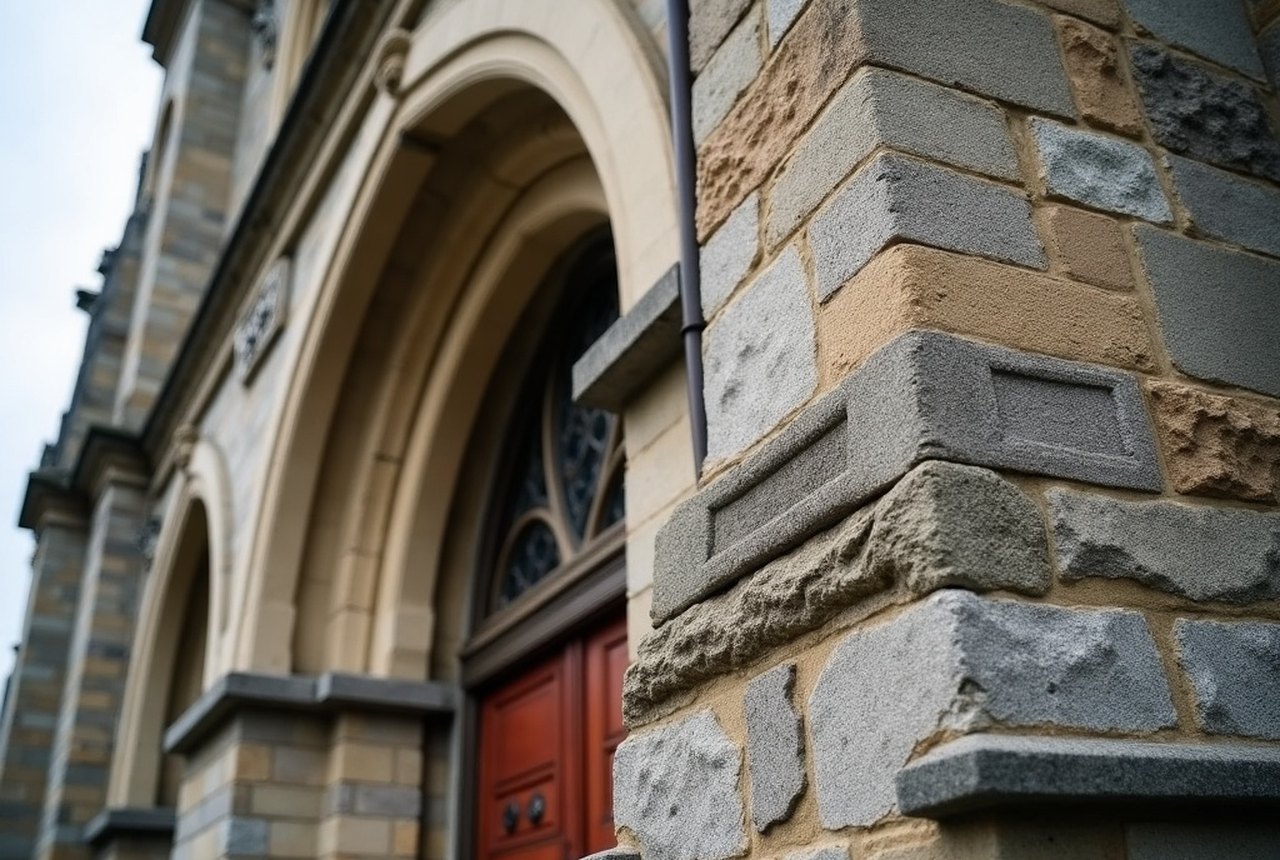
The parishes of the South End were built by communities determined to announce themselves in stone