Beyond the Churches: A Few Cultural Landmarks First
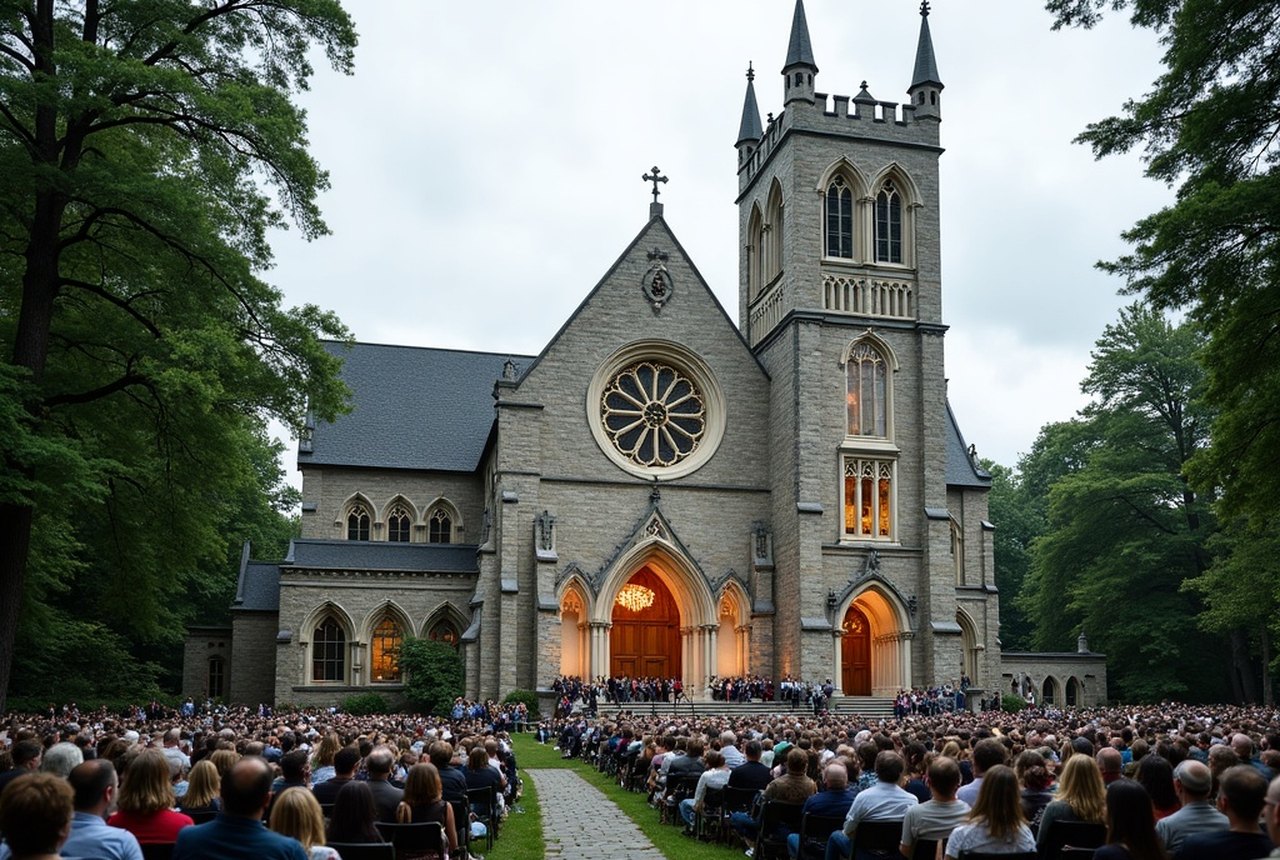
Massachusetts rewards visitors on multiple fronts before you even reach a church door. The Boston Symphony Orchestra's summer home at Tanglewood draws audiences to open-air concerts in the Lenox hills of the Berkshires. MASS MoCA, occupying a vast converted mill complex in North Adams, hosts large-scale contemporary installations that would be impossible almost anywhere else. Tower Hill Botanic Garden spreads across 171 acres and seventeen distinct gardens in central Massachusetts. And out in the Berkshires, the cascade at Bash Bish Falls State Park is among the most dramatic natural features in the state. Any one of these makes a fine companion stop on a day that also takes in the architecture below.
Five Churches Worth a Careful Look
St. Leonard of Port Maurice, North End, Boston
Founded in 1873, St. Leonard's holds the distinction of housing what is reputedly the oldest Marian shrine in Boston. The church anchors the North End — Boston's historically Italian neighborhood — and its adjacent Peace Garden offers a rare pocket of stillness in one of the city's densest urban quarters. The parish was served for many years by the Franciscans, and the building retains the warm, devotional character that immigrant congregations brought to it across successive generations. Architectural curiosity and a quiet sit in the garden together make a satisfying visit.
St. Anthony of Padua Church, New Bedford
Founded in 1895 to serve New Bedford's French-Canadian Catholic community, St. Anthony of Padua announces itself immediately through its red sandstone exterior and a spire that rises 256 feet — the third tallest ecclesiastical structure in New England. Step inside and the scale intensifies: floor-to-ceiling stained glass fills the nave with layered, shifting color across the day. Few churches in the region offer this combination of exterior drama and interior luminosity, and the building is genuinely undervisited by heritage travellers who concentrate their attention on Boston.
Cathedral of the Holy Cross, South End, Boston
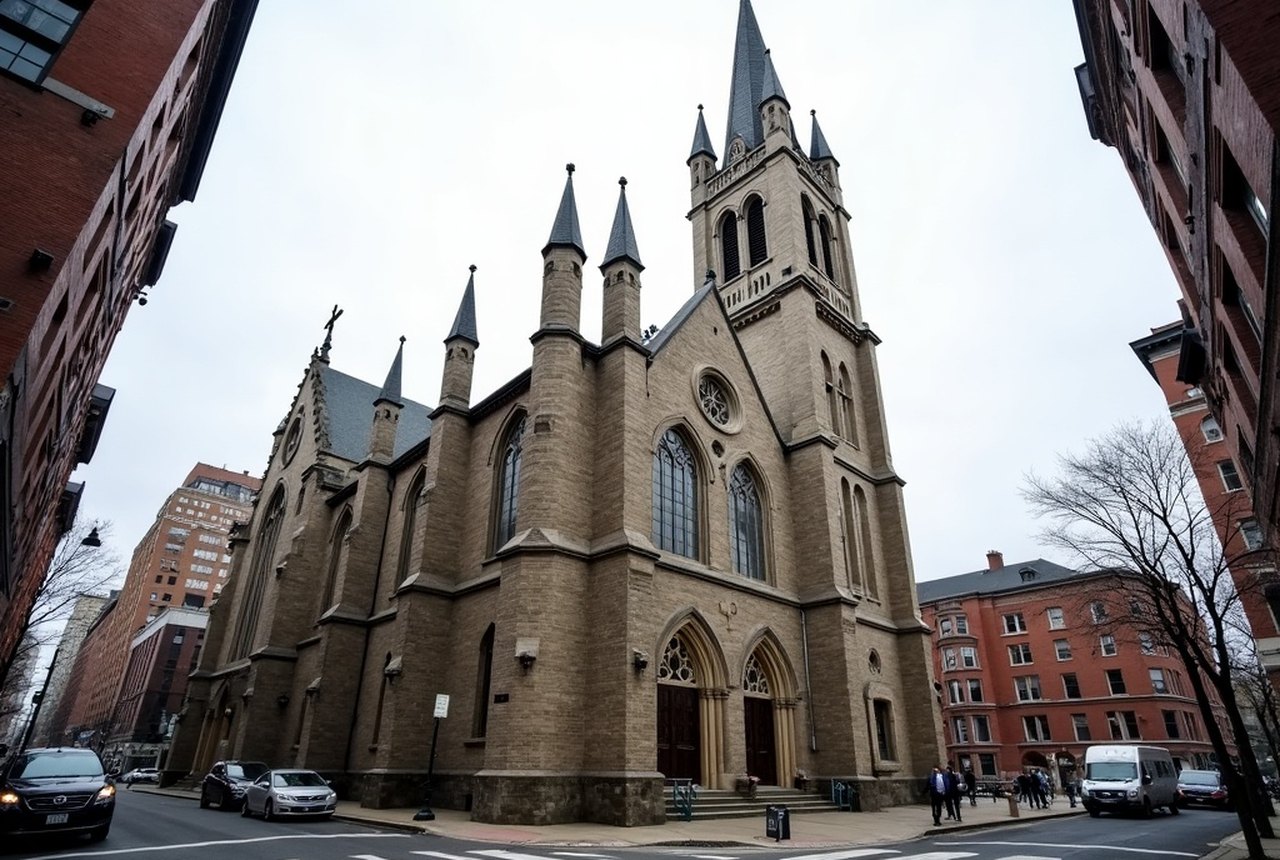
The mother church of the Roman Catholic Archdiocese of Boston dominates the South End streetscape in a way that still surprises visitors who round the corner onto Washington Street unprepared. Completed in 1875 and designed in the Gothic Revival style, Holy Cross is one of the largest churches in the United States by interior volume. The scale commands attention from outside; the soaring nave, the clustered piers, and the long, light-filled interior reward a slow and unhurried visit. As the seat of the archdiocese, the building carries the full weight of Boston's Catholic history — Irish immigration, the great parish-building era, and the civic life of a community that shaped the city.
Trinity Church, Copley Square, Boston
Trinity is not a Catholic church — it is Episcopal — but no serious survey of Massachusetts sacred architecture can omit it. Completed in 1877 to designs by Henry Hobson Richardson, it is the defining example of American Romanesque Revival: massive Dedham granite and Longmeadow brownstone laid in polychrome courses, a great crossing tower, and an interior enriched with murals and decorative work overseen by John La Farge. The American Institute of Architects has repeatedly ranked it among the finest buildings in the country. It sits directly across Copley Square from the Boston Public Library and can easily be visited alongside the Cathedral of the Holy Cross in a single afternoon.
Basilica of Our Lady of Perpetual Help, Mission Hill, Boston
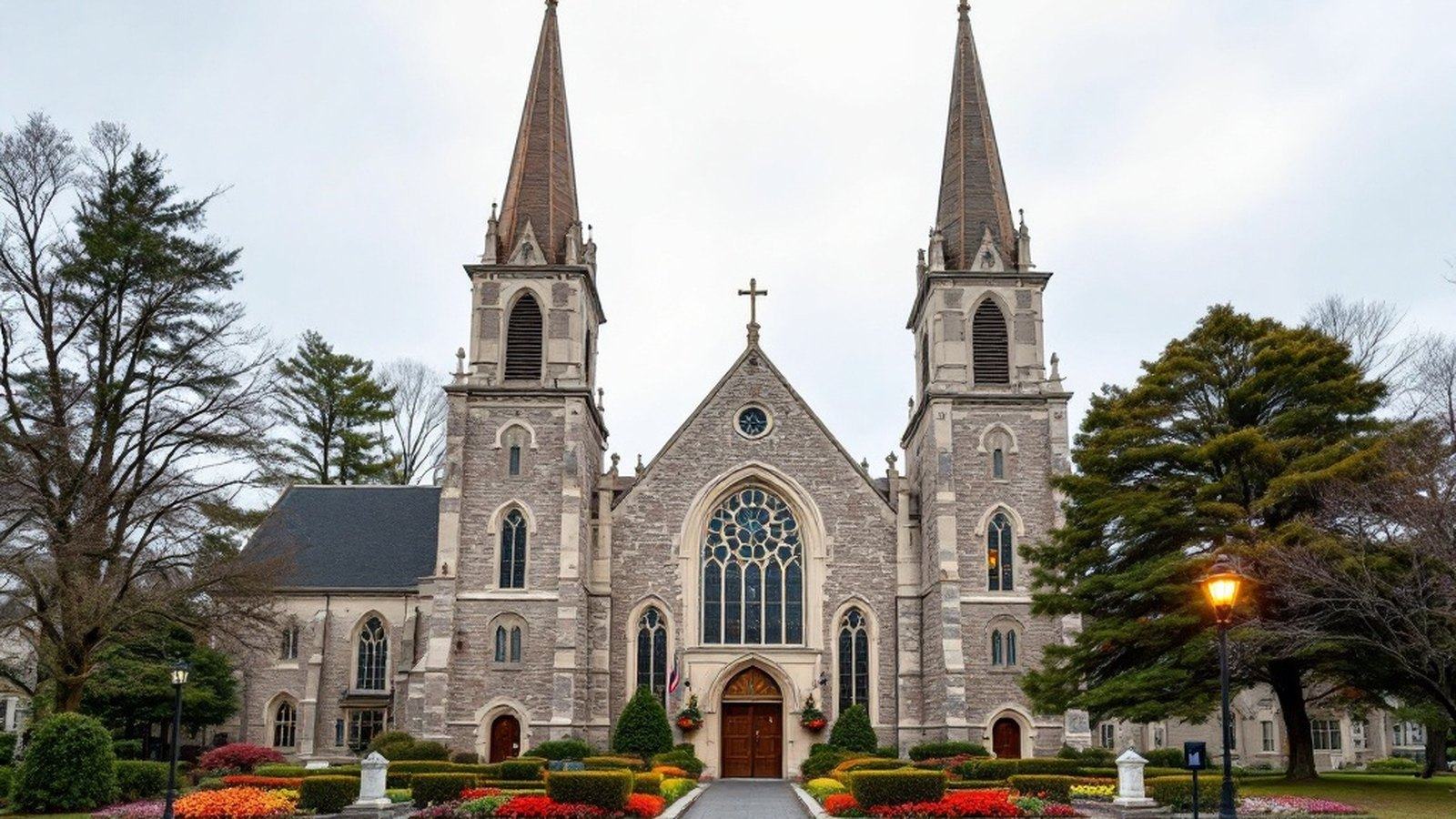
Known locally as the Mission Church, this Roxbury landmark was built by the Redemptorists and completed in stages from the 1870s onward. Its twin towers define the Mission Hill skyline, and the basilica designation — granted by Rome — reflects both its architectural significance and its long history as a pilgrimage destination. The shrine to Our Lady of Perpetual Help inside draws visitors year-round, and the building's German Romanesque exterior is worth examining closely before you enter.
Each of these buildings is open to the general public. No particular affiliation is required — architectural curiosity, a feel for immigrant history, or simply an eye for well-made stonework is reason enough to visit any one of them.
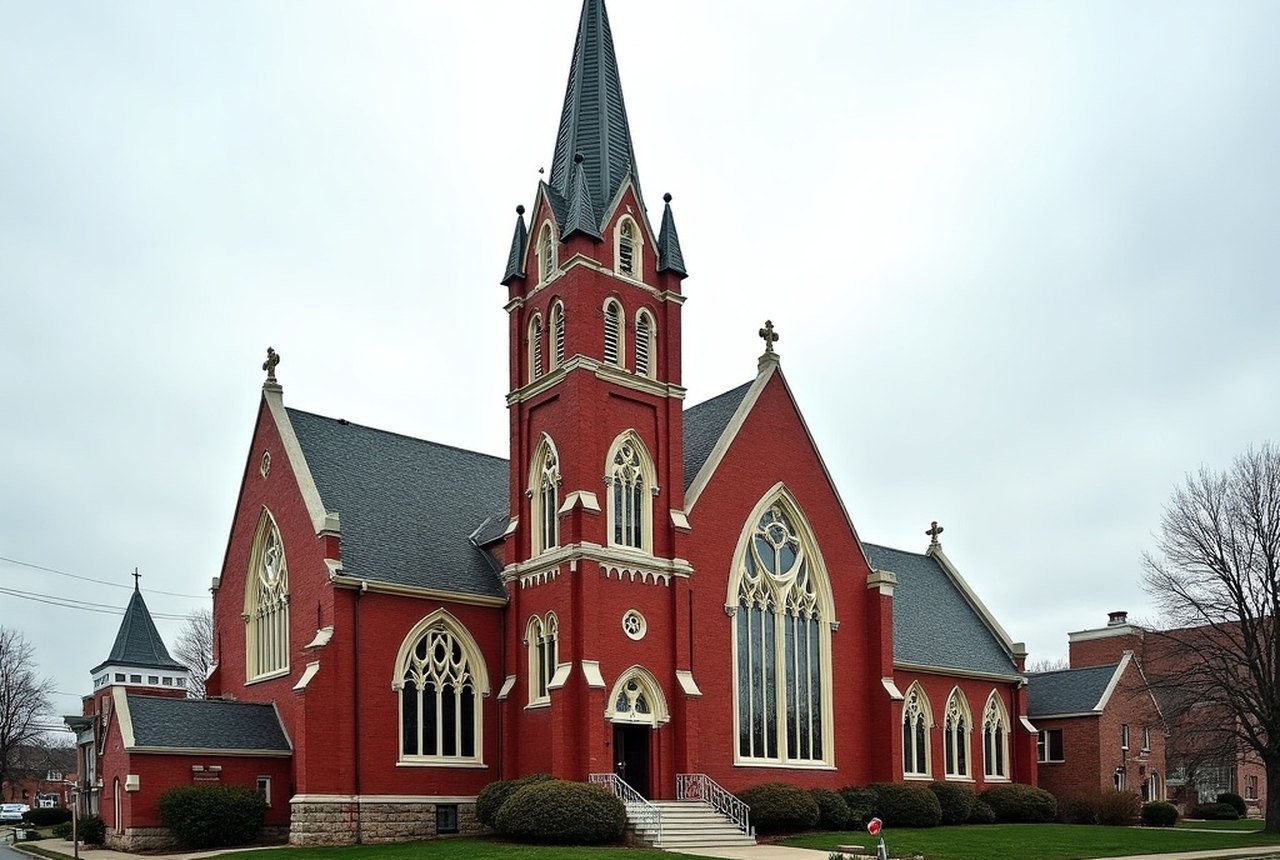
Anthony of Padua announces itself immediately through its red sandstone exterior and a spire that rises 256 feet — the third tallest ecclesiastical structure in New England


And out in the Berkshires, the cascade at Bash Bish Falls State Park is among the most dramatic natural features in the state