A Vocation Forged in Buenos Aires
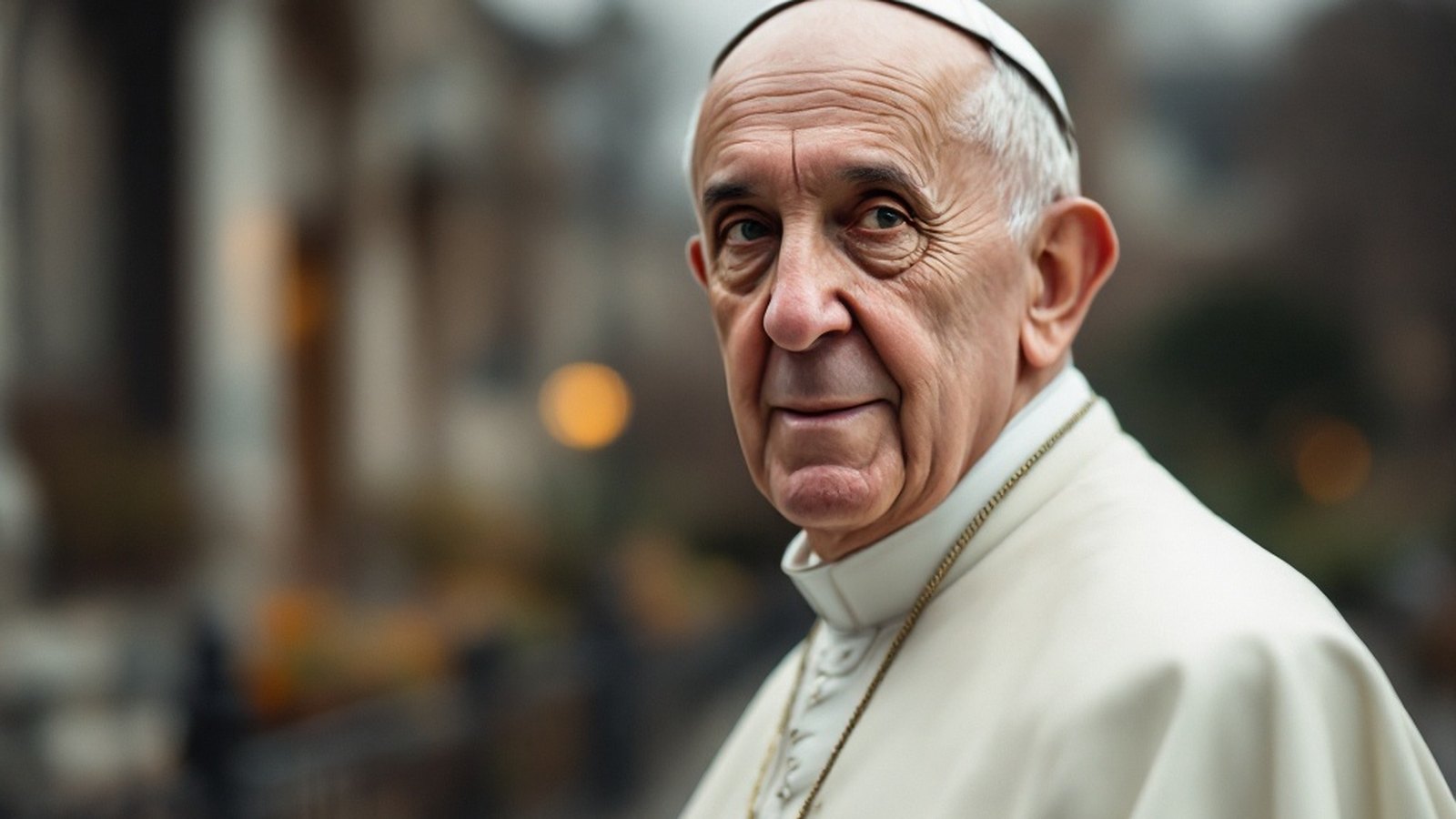
Jorge Mario Bergoglio was born on December 17, 1936, in Buenos Aires, the son of Italian immigrants and one of five children. The city shaped him: its working-class neighborhoods, its waves of European arrivals, its particular mix of Catholic piety and social urgency. He found his vocation at nineteen, entering the Inmaculada Concepción Seminary in 1955, and joined the Society of Jesus three years later. His Jesuit formation was deliberately broad — alongside theology and philosophy he studied and taught humanities, psychology, and literature, completing doctoral-level work in philosophy. That range would prove less an academic credential than a cast of mind, producing a pastor more comfortable in prisons and care homes than in ceremonial halls.
He was ordained a priest in 1969, in San Miguel, Buenos Aires Province. His rise through the Argentine Church was steady: appointed Titular Bishop of Auca in 1992, he became Metropolitan Archbishop of Buenos Aires in 1998, and was elevated to Cardinal Priest in 2001. As cardinal he simultaneously held five administrative roles in the Roman Curia — a workload that might have encouraged institutional distance. It did the opposite. In Buenos Aires he restructured the archdiocese, established new parishes in underserved neighborhoods, and revived the ancient Holy Thursday custom of washing the feet of elderly residents in prisons, hospitals, and care homes. He passed on the chauffeured car, cooked his own meals, and rode public transport. By the time the conclave opened in March 2013, his reputation was that of a cardinal who had chosen simplicity not as performance but as operating principle.
The Papacy: Austerity as Statement
Elected on March 13, 2013, Francis became the 266th pope of the Roman Catholic Church and the first to come from the Americas — a landmark that speaks less to geography than to the Church's shifting center of gravity. Latin America, sub-Saharan Africa, and parts of Asia now account for the majority of the world's Catholics; a pope from Buenos Aires registered that reality in a way no decree could.
He arrived at the Vatican carrying the same habits. Staff bonuses were redirected toward charitable causes. His public statements pressed consistently on poverty, inequality, and environmental responsibility. On the diplomatic front he pursued engagement across geopolitical divides, most notably facilitating back-channel communication between the United States and Cuba that helped restore diplomatic relations between the two countries in 2014 — a quiet but consequential piece of statecraft rarely attributed to a papacy.
What has drawn sustained attention, though, is tone as much as policy. Francis's informality — the unscripted remarks, the willingness to engage directly rather than through carefully vetted statements — has made him one of the most recognizable public figures of his era, generating both admiration and unease within the Church. Critics on more traditional ground have found the informality unsettling; supporters read it as a deliberate signal that the papacy is accountable to the wider world, not merely to its own institution.
Why He Belongs in a Guide to Massachusetts
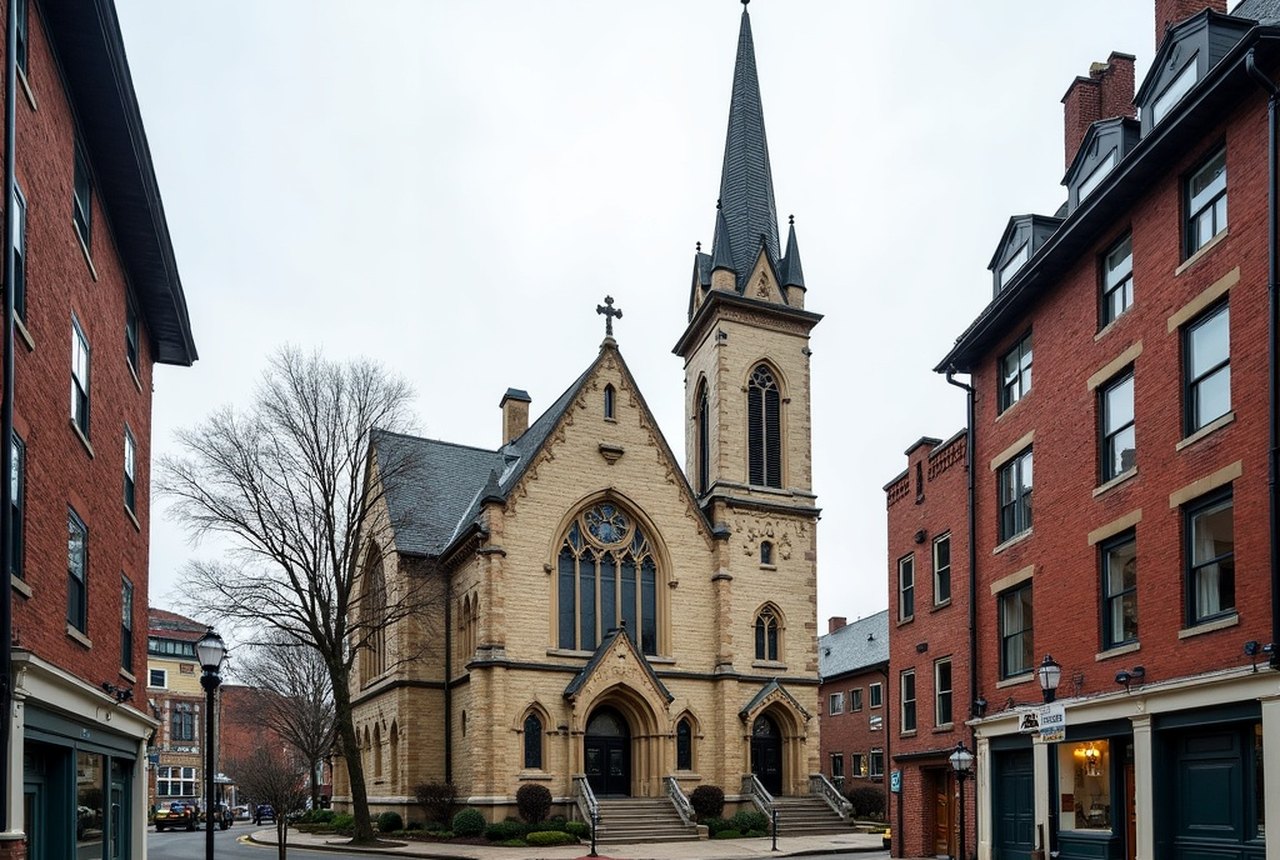
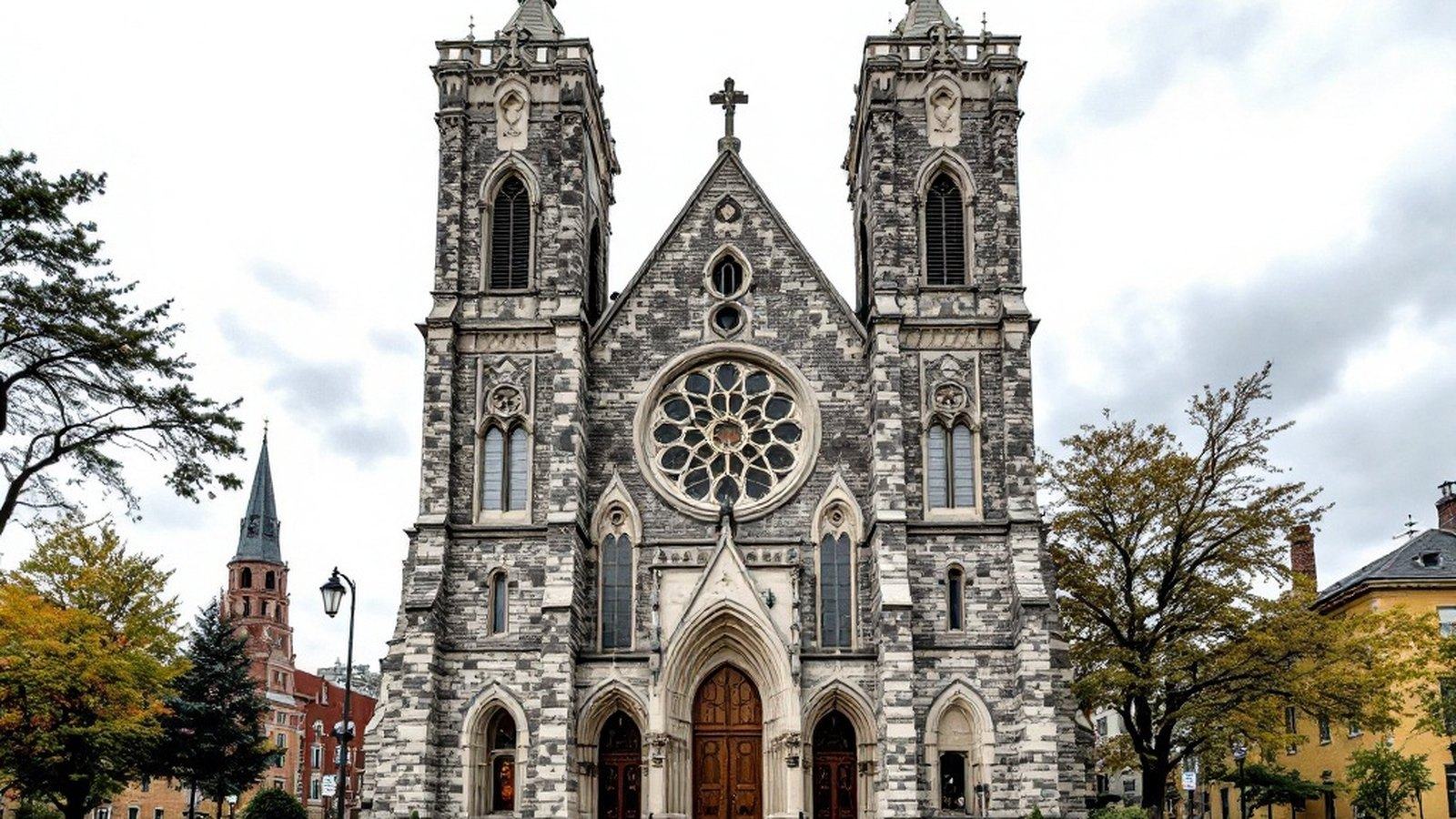
A guide to Massachusetts churches might seem an unlikely place for a papal biography. But Francis's papacy is inseparable from the communities that built the churches recorded here. Many of the parishes of Boston's North End, the South End, and the industrial cities of Lawrence and Brockton were founded by Italian immigrants — the same demographic that produced Bergoglio's own family. The Redemptorists who run the Basilica of Our Lady of Perpetual Help on Mission Hill, the Sons of Divine Providence who established St. Leonard of Port Maurice in the North End, the Jesuits at St. Ignatius in Chestnut Hill: these are the orders and the immigrant parishes that form the connective tissue between Argentina and Massachusetts, between a Buenos Aires childhood and a Boston pew.
Francis is also, formally, the bishop whose authority extends to every church in this guide — the pope to whom the Roman Catholic Archdiocese of Boston is in communion. That is a practical fact, not a devotional one. Knowing something of who he is makes the broader story of the Church in Massachusetts legible in a way that pure local history cannot.
As cardinal he simultaneously held five administrative roles in the Roman Curia — a workload that might have encouraged institutional distance
- 1936born in Buenos Aires to Italian immigrant parents
- 1955enters Inmaculada Concepción Seminary
- 1958joins Society of Jesus
- 1969ordained priest in San Miguel, Buenos Aires Province
- 1992appointed Titular Bishop of Auca
- 1998becomes Metropolitan Archbishop of Buenos Aires
- 2001elevated to Cardinal Priest; holds five Curia roles simultaneously
- 2013elected 266th Pope on March 13
Francis is also, formally, the bishop whose authority extends to every church in this guide — the pope to whom the Roman Catholic Archdiocese of Boston is in communion