Morning: the South End and Mission Hill
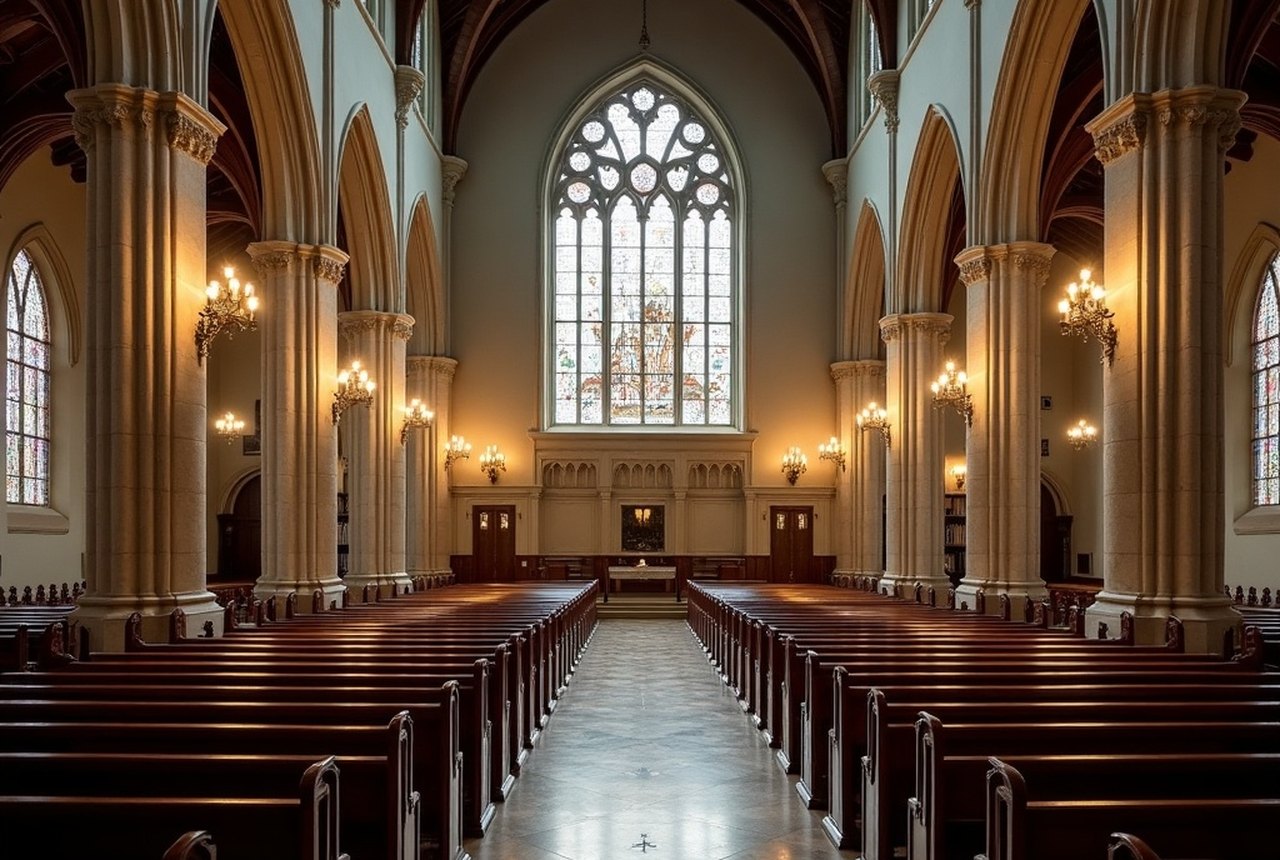
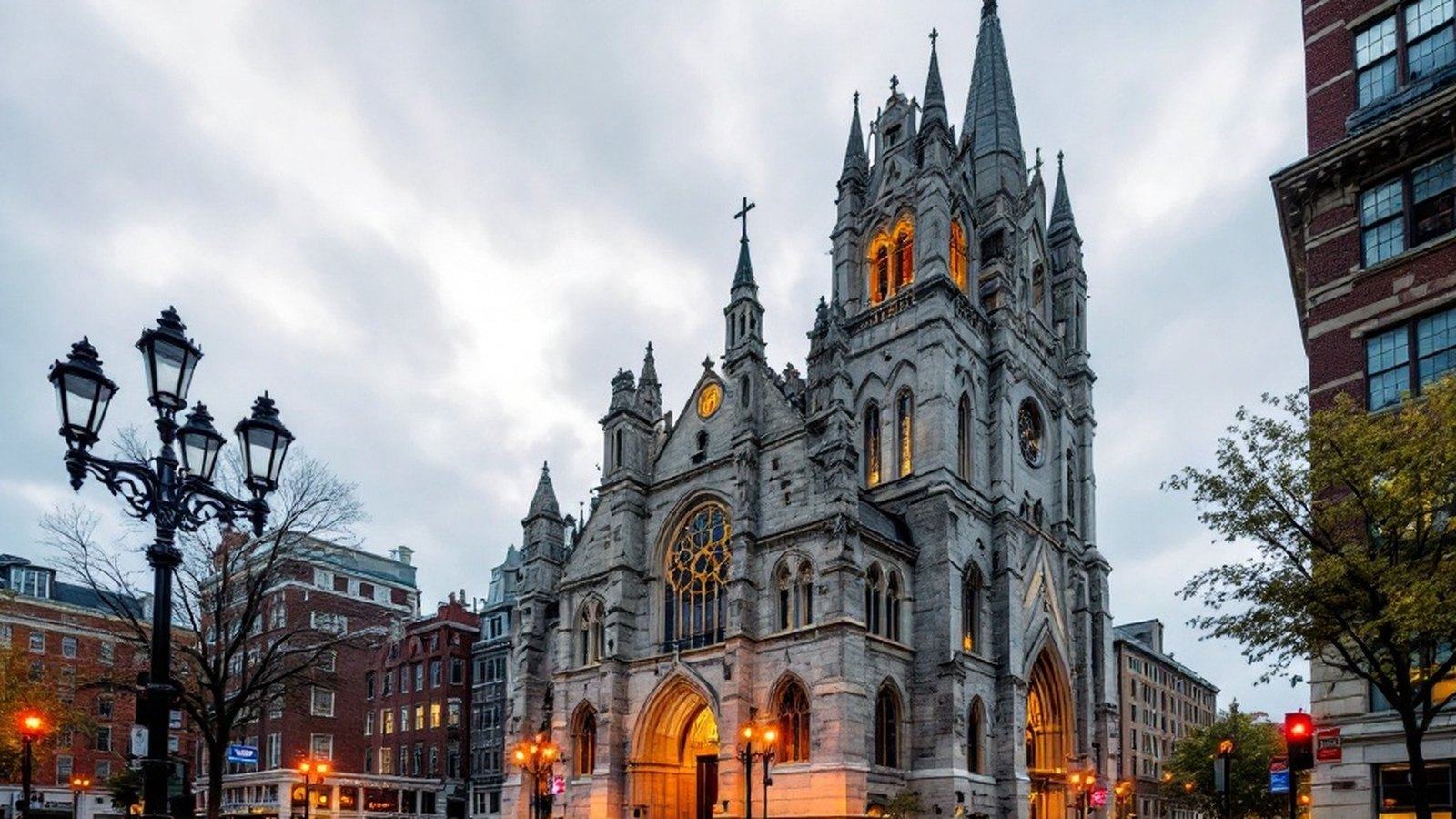
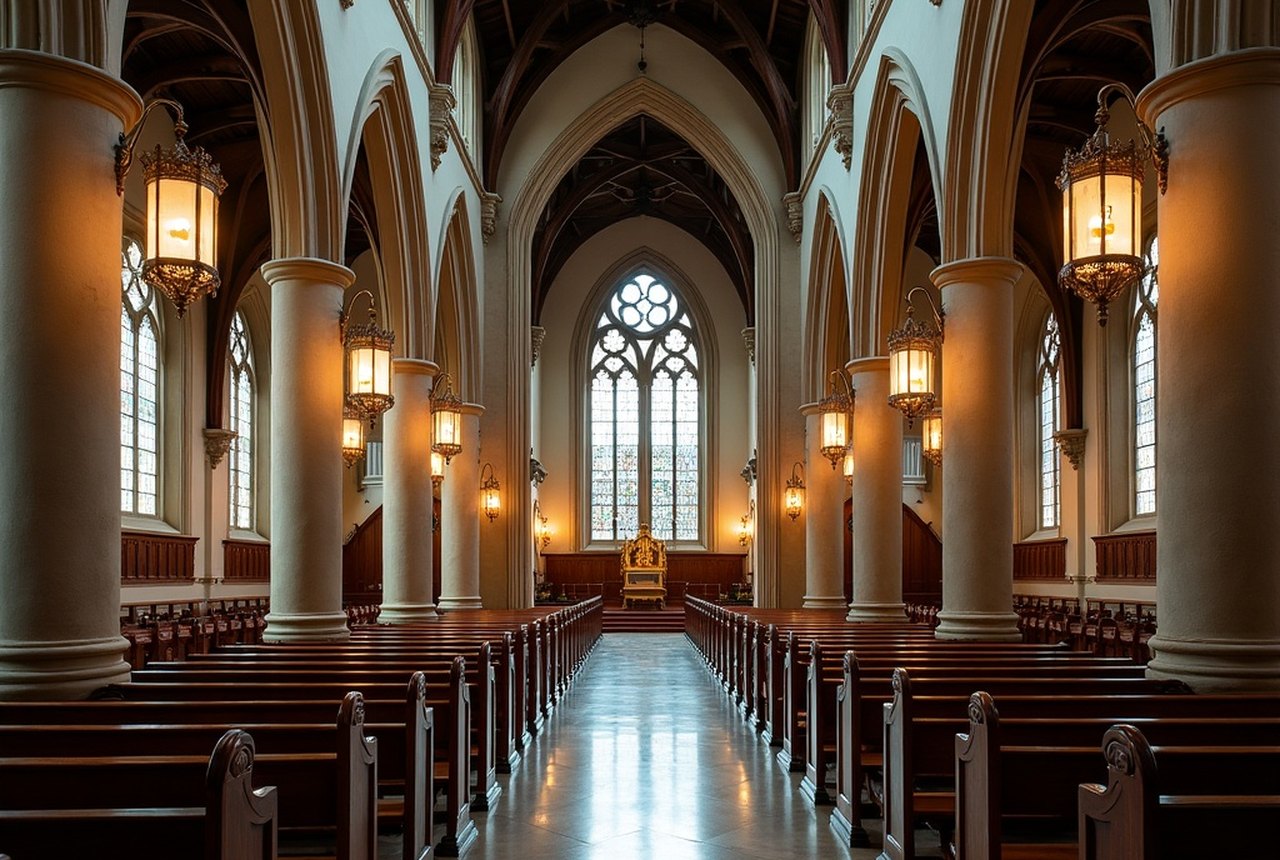
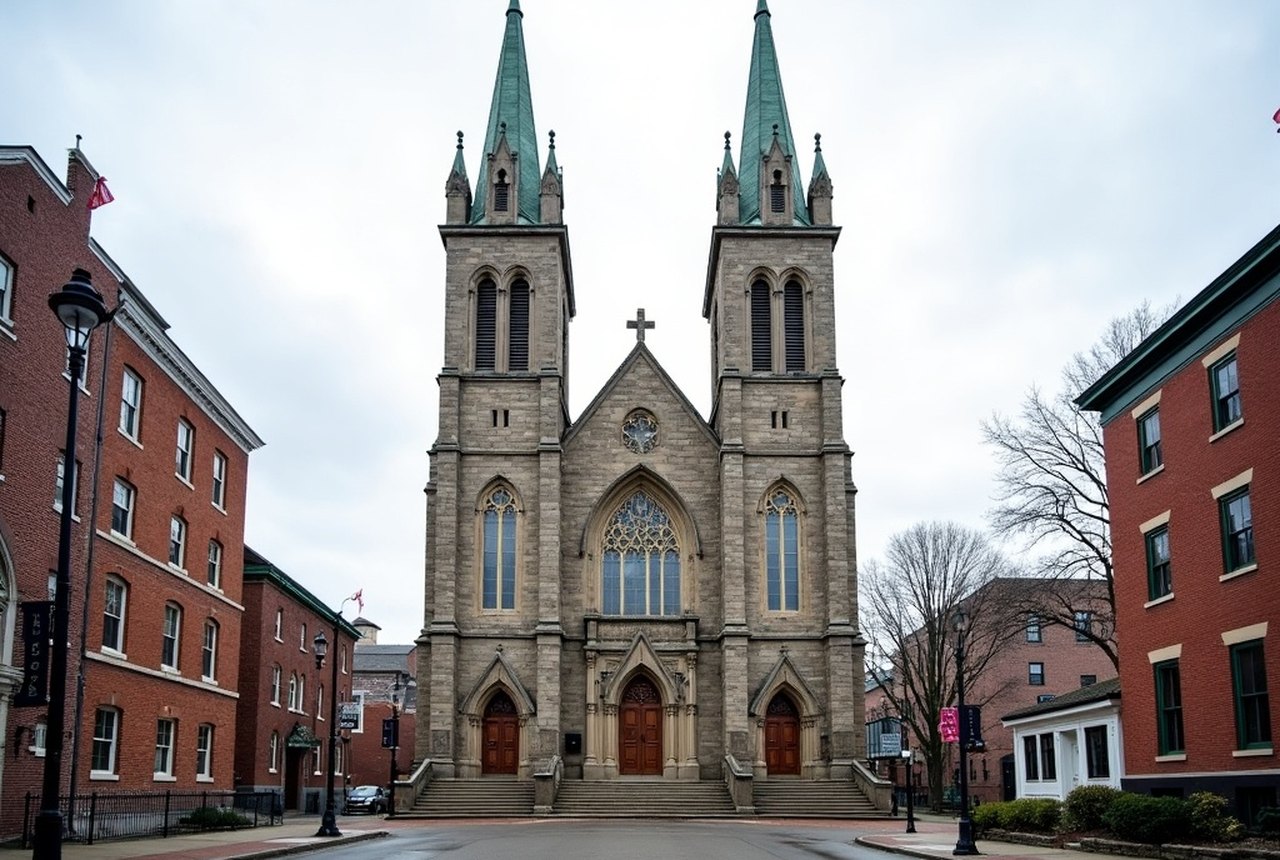
Start early in the South End, where the sheer density of Victorian brick rowhouses gives the neighborhood the feel of a complete urban composition rather than a collection of individual buildings. The real anchor here, though, is the Cathedral of the Holy Cross on Washington Street — the mother church of the Roman Catholic Archdiocese of Boston and, at the time of its 1875 completion, the largest Catholic church in North America. Designed by Patrick Charles Keely, the cathedral is a study in Gothic Revival confidence: pointed arches of granite and brick soar over a nave long enough to swallow most parish churches whole. The scale is deliberately humbling, and it earns it. Spend time with the clustered piers and the clerestory light before moving on.
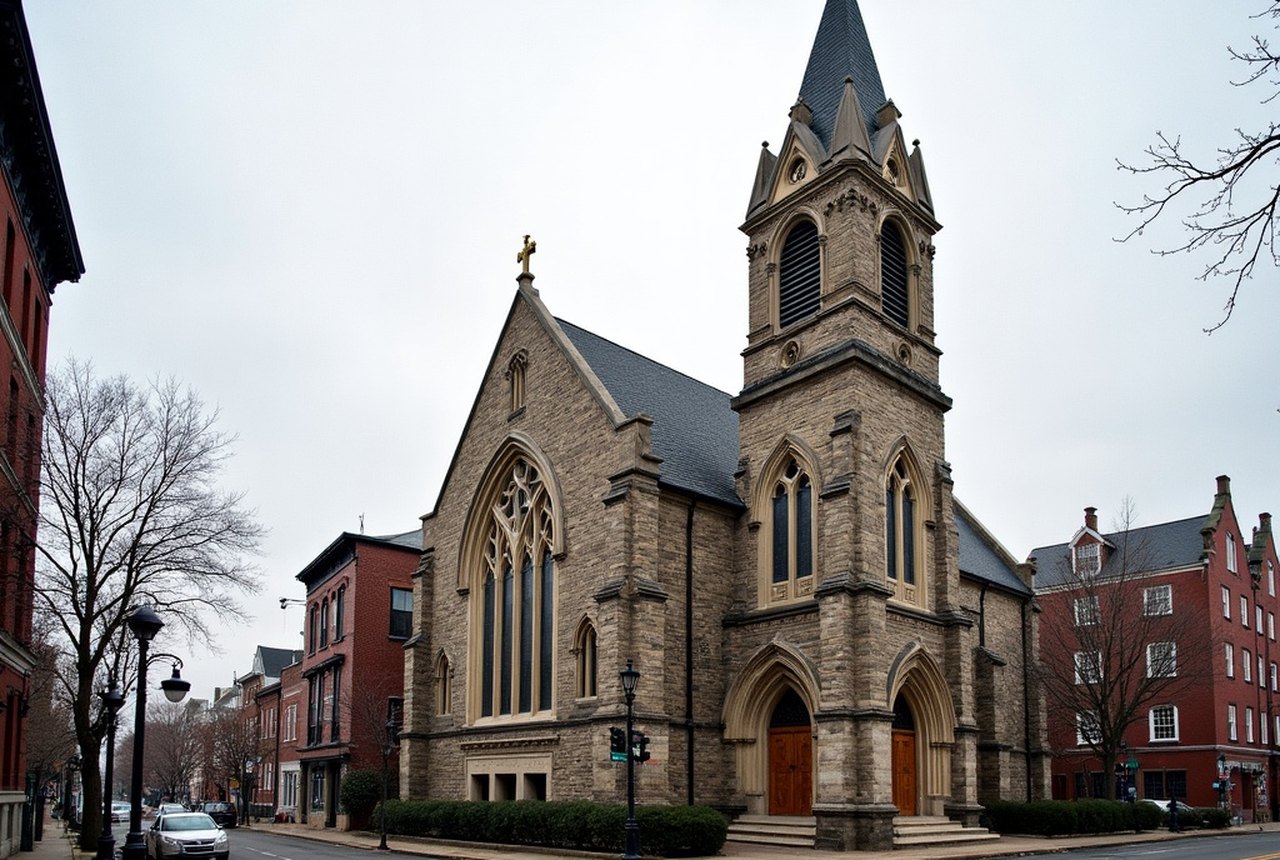
From the Cathedral, work southwest toward Mission Hill. The Basilica of Our Lady of Perpetual Help — known locally as "the Mission Church" — was built by the Redemptorist order and completed in 1878, with its twin Baroque towers added in the early twentieth century. The interior is a sensory argument: elaborate polychrome stonework, a richly decorated sanctuary, and stained glass of unusual warmth. The basilica status, conferred by Rome, reflects both its architectural distinction and its long history as a pilgrimage site for Boston's working-class Catholic communities. The votive chapel draws visitors quietly throughout the morning. Allow a generous half-hour here.
Midday: Copley Square and Back Bay
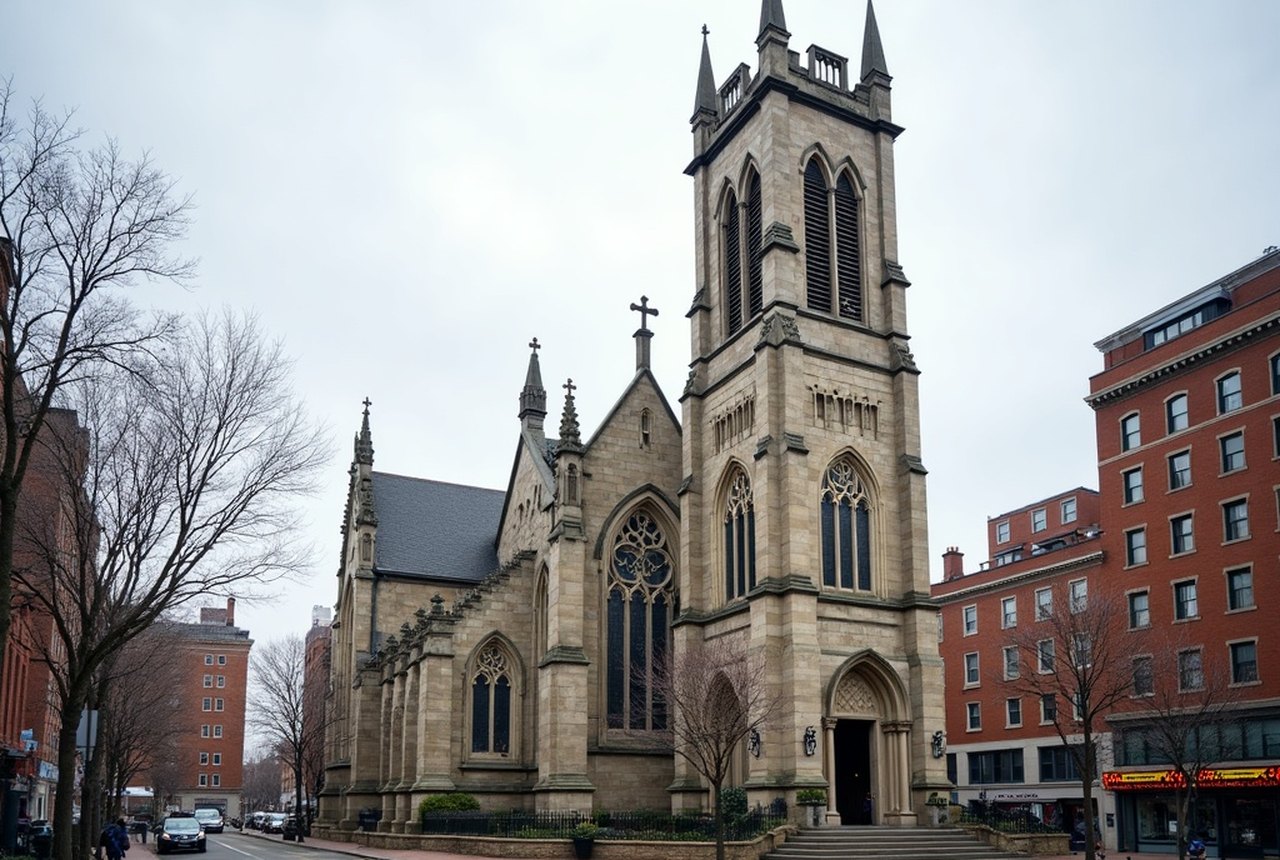
Cross the Fenway on foot and arrive at Copley Square in time for lunch — but earn the meal first. Trinity Church is the inescapable centerpiece of American ecclesiastical architecture, and it repays unhurried attention. H. H. Richardson completed it in 1877, and the American Institute of Architects has repeatedly named it among the finest buildings in the United States. The Romanesque Revival exterior — quarry-faced Dedham granite banded with Milford pink granite, gathered under a massive crossing tower — is already extraordinary. Then step inside. John La Farge oversaw the interior decoration, producing a total environment of painted surfaces, richly colored glass, and careful light management that functions almost as architecture within architecture. The nave is dense and warm in a way no photograph communicates. Don't rush this one.
Afternoon: Roxbury and the North End
The day's least-visited stop is also its most quietly rewarding. Head to the North End, on Hanover Street, to find St. Stephen's Church, the only remaining Boston church designed by Charles Bulfinch, completed in 1804. Though now a Catholic parish, it was built as a Congregational meetinghouse and passed through several hands before Cardinal O'Connell commissioned a meticulous restoration in the early twentieth century. A second restoration in the 1960s brought it closer still to Bulfinch's original Federal-style intentions. The pale, precise interior, with its elegant columns and restrained ornamental plasterwork, offers a useful architectural counterpoint to everything else on today's itinerary — civic clarity after Catholic abundance.
Finish in the North End, Boston's oldest surviving neighborhood, where the streets narrow and the scale drops suddenly intimate. St. Leonard of Port Maurice Church on Prince Street, completed in 1873, was the first Italian Catholic church in New England. The facade is modest against the neighborhood's crowded geometry, but the interior holds genuine warmth, and the adjoining Peace Garden offers a rare quiet corner in one of the city's most visited districts. The church remains a point of cultural continuity for the North End's Italian-American heritage, and arriving in late afternoon, after the lunch crowds thin, lets you appreciate that continuity without the noise.
By the time you emerge onto Hanover Street, the day will have carried you across roughly two centuries of ambition — Federal restraint, Gothic Revival grandeur, Romanesque authority, Baroque exuberance — all within a city compact enough to cover largely on foot. Bring good shoes, a transit card for the stretches that don't walk well, and a willingness to sit in silence for a few minutes in each building. That's where the architecture actually speaks.
The Romanesque Revival exterior — quarry-faced Dedham granite banded with Milford pink granite, gathered under a massive crossing tower — is already extraordinary
- 1804St. Stephen's Church completed by Bulfinch as a Congregational meetinghouse
- 1873St. Leonard of Port Maurice opens as New England's first Italian Catholic church
- 1875Cathedral of the Holy Cross completed on Washington Street
- 1877Trinity Church completed by H. H. Richardson, Copley Square
- 1878Mission Church (Basilica of Our Lady of Perpetual Help) structurally complete
- Early 20th centuryTwin Baroque towers added to Mission Church; O'Connell restores St. Stephen's
Head to the North End of Roxbury — distinct from the North End across the harbor — to find St